.png)




Want to know how some brands turn influencer marketing into real results? You’ve come to the right place.
With the influencer marketing industry set to be worth a jaw-dropping $24 billion by the end of 2024, brands across the board are harnessing the power of influencers to get closer to their audiences.
And why wouldn’t they? After all, influencer marketing is now considered the third most effective marketing trend, right after short-form videos and content showing brand values (both of which play well in influencer campaigns), according to HubSpot’s 2024 State of Marketing Report.
In this article, we’ll dive into some standout influencer programs that have mastered the art of reaching audiences authentically and effectively. From brands that began with organic partnerships to those leveraging influencers for major events, each has a unique strategy that makes them worth watching.
Let’s dive in.
Influencer program examples at a glance
Before we dive into each example in more detail, here's a quick snapshot of the influencer programs we'll cover.
Let's take a closer look at how each program works.
Top fitness influencer programs
Gymshark
A quick search of #gymshark on Instagram reveals exactly what you’d expect: hundreds of images of fitness enthusiasts rocking their Gymshark gear.
From amateur gym-goers with 50K followers to professional power-lifters with millions, Gymshark has mastered influencer diversity. Some influencers are small and lean, while others look like they could flip a truck. But here’s what they all have in common: they fit the Gymshark brand.
Gymshark’s approach to influencer marketing started organically. Back in the day, when founder Ben Francis was still sewing each piece of apparel from his parents’ garage, he decided to send some gear to Lex Griffin, a fitness YouTuber he loved watching. This wasn’t a meticulously planned marketing move; it was simply a creator supporting a creator. And that authenticity? It resonated.
Fast-forward to today, and dozens if not hundreds of Gymshark influencers (affectionately dubbed “Athletes”) are showing their love for the brand, sharing products and discount codes in a way that feels real, not forced.
So, why does it work? Gymshark has built a genuine community. These Athletes are actual gym lovers sharing products they believe in, which makes the brand feel relatable and approachable, not like just another company trying to make a sale.
The results: Gymshark’s growth has been nothing short of meteoric. From a humble garage operation to a global fitness empire bringing in over $700 million a year, Gymshark is now a household name.
And Ben Francis? He’s gone from delivering pizzas to becoming Britain’s youngest self-made billionaire, proving that with the right community, you can achieve almost anything.
Lululemon
While Gymshark built its community from a garage, Lululemon took a different but equally deliberate route. Instead of chasing celebrity fitness influencers, they built an "ambassador" program of roughly 5,600 creators, deliberately weighted toward micro and mid-tier voices over macro names.
The strategy leans into local, grassroots credibility: ambassadors are often studio teachers, personal trainers, or everyday fitness enthusiasts rather than professional influencers. Lululemon even backs many of them with support in their careers. Hashtag campaigns like #TheSweatLife turn everyday ambassador content into a steady stream of branded, community-driven posts.

Why it's a win: smaller creators are cheaper and they can often be even more effective. According to Tribe Dynamics, micro-influencers drove 36% of Lululemon's total Earned Media Value, more than four times the share Gymshark's micro tier drove in the same study.
The results: Lululemon generated $86.1 million in Earned Media Value in a single tracked 12-month period, up 20% year-over-year. The #TheSweatLife campaign alone drove $4.6 million in EMV from more than 1,400 posts by 678 creators — proof that volume and authenticity can outperform reach alone.
Fabletics
Fabletics runs its influencer program less like a marketing campaign and more like a performance-marketing channel. The brand splits its creators into two tiers: around 200 paid influencers (ranging from 50K to 7 million followers) posting trackable, direct-response content, and 350+ unpaid micro-influencers receiving free product in exchange for coverage.
What sets Fabletics apart is its insistence on measurability. Paid partnerships are built around explicit calls to action. For example, a "swipe up" link or a verbal "click the link in my bio" tied to a specific offer (typically two pairs of leggings for $24), all tracked through affiliate software so Fabletics can calculate the cost-per-acquisition down to the individual creator.
Why it's a win: most influencer marketing sells brand awareness first and hopes conversions follow. Fabletics flips that, treating each influencer as its own acquisition channel with its own ROI.
The results: in a single peak month, a $600,000 influencer spend generated 13,000 new customers through direct-link tracking alone — a level of attribution most influencer programs never achieve.
Top B2B influencer programs
Semrush
Think influencer marketing is only for fashion or fitness brands? Semrush begs to differ. This B2B brand has taken influencer marketing by storm, proving that software can be just as "influencable" as the latest sneaker drop.
And they don’t hold back – Semrush combines a mix of practical tips, clever social insights, and a sprinkle of humor to reach audiences who may not have even known they needed Semrush until they saw it in action.
Some standouts? Short social videos featuring creators like Keira Jones and Joe Fenti. Keira, with her 100K TikTok followers, has helped drive Semrush’s message to young marketers in need of quick content strategy wins.
@thekeirajones How to boost TikTok views with content that's SEO optimized - using the Keyword Magic Tool from @Semrush! #AD #Semrushpartner ♬ original sound - Keira Jones | TikTok Coach
Meanwhile, Joe, a stand-up comedian with a knack for relatable content, has given his 304K Instagram followers a taste of Semrush’s value through laugh-out-loud skits that bring marketing struggles to life.
These creators made Semrush’s tools more accessible, helping them resonate with people who might otherwise have felt overwhelmed by SEO jargon.
Why it’s a win: Semrush nailed the balance between entertainment and education. Their creators didn’t just sell the tool; they showed how it could make their followers’ lives easier. Plus, their posts captured attention without feeling like a hard sell – a key strategy for standing out in a crowded social landscape.
The results: This influencer-powered strategy paid off big time. According to SocialPilot, Semrush not only boosted engagement on their own socials but saw an impressive uptick in new users and sign-ups. They reached millions, turning content viewers into product users – all by making digital marketing feel just a little more human.
Salesforce
When it comes to influencer marketing, Salesforce isn’t playing around – they’ve built a program that’s as layered as their CRM capabilities.
You might think B2B brands would struggle to create authentic influencer content, but Salesforce makes it look easy. By approaching their audience as humans first and keeping things flexible, they’ve created a network of advocates that spans employees, industry experts, and even big-name celebrities.
One of the pillars of Salesforce’s approach is its multi-tiered influencer network.
First, they have their employees and executives – the people who live and breathe the brand every day. Salesforce knows that audiences are more likely to trust “real” voices over branded messaging, so they encourage employees and executives to share updates, insights, and success stories.
This network also includes their Trailblazers community, where loyal users and community members act as advocates, showing how Salesforce solutions help real businesses thrive.
But they don’t stop there – Salesforce is savvy enough to know the power of micro-influencers. These smaller creators, with followers ranging from 10,000 to 100,000, bring authenticity and high engagement. And because they don’t command sky-high fees, they’re budget-friendly, making this element of Salesforce’s influencer program both impactful and cost-effective.
@corporate.bro What is AI you ask?? How about it’s the literal future. #AI #Comedy #dreamforce #workingintech ♬ original sound - Corp
Finally, let’s talk about their most memorable influencer campaign, “Dreamforce Goes Corporate.” To promote their flagship event, Dreamforce, Salesforce teamed up with comedy creators Corporate Bro and Corporate Natalie. Known for poking fun at the quirks of office culture, these influencers made Dreamforce feel fresh, fun, and surprisingly relatable for an industry conference.
Why it works: Salesforce isn’t afraid to mix employee advocacy with influencer partnerships and adjust campaigns based on audience and goals. This flexibility lets them tap into every corner of their audience, from industry veterans to Gen Z professionals.
Plus, by using micro-influencers, Salesforce showcases real user stories that don’t feel overly polished, making their brand more approachable and human.
The results: Salesforce’s influencer approach has led to higher engagement rates, increased brand awareness, and a more relatable brand image. Their “Dreamforce Goes Corporate” campaign racked up some major engagement and even won Hello Partner’s Best B2B Influencer Marketing Campaign award, proving that a B2B brand can have just as much influence – and fun – as any B2C giant.
Adobe
Adobe's approach to B2B influencer marketing skips social creators entirely in favor of credibility: rather than partnering with social media personalities, the brand worked with recognized industry experts and analysts (including figures like Bernard Marr and David Raab) to build out content for its Analytics Portfolio.
Working with agency TopRank Marketing, Adobe used these named experts to co-create LinkedIn content aimed at a tightly defined list of roughly 900 target accounts across EMEA, leaning on the experts' existing authority rather than trying to manufacture it through paid reach alone.
Why it works: in technical B2B categories, buyers trust independent expertise more than brand messaging. Borrowing that credibility does more for engagement than a bigger media budget would.
The results: the campaign delivered twice the engagement of comparable Adobe campaigns and a 150% increase in LinkedIn form completions.
Top fashion & lifestyle influencer programs
Jack Wills
Clothing brand Jack Wills has always leaned into that distinctly British, Sloaney aesthetic – think posh, but with a laid-back preppy twist. And they’ve done a brilliant job of pairing that vibe with the perfect social media personalities.
Their approach? Take influencers who effortlessly embody the brand’s spirit and let them run with it. Whether they’re taking TikTok stars on ski trips or carefully curating Influencer Edits, Jack Wills has cracked the code on influencer campaigns that feel aspirational without crossing into “unreachable” territory.
 Hannah Wesson
Take their influencer trips, for example. In 2023, they whisked a mix of social media stars like Kate Elisabeth, Moyo, and Jack Joseph off to the Alps. Their followers got to see these personalities fully decked out in Jack Wills as they hit the slopes – from funny fails to picture-perfect moments.
The result? Millions of views, tons of likes, and a whole lot of Jack Wills visibility among Gen Z and millennial social media users.
And then there’s the Influencer Edits – capsule collections featuring influencer-selected pieces that ooze the Jack Wills vibe.
Take, for instance, the edit with Carms, a digital creator whose Instagram is a shrine to high fashion and luxury travel. Photographed in the well-heeled London borough of Chelsea, Carms models Jack Wills's apparel in a way that feels like an invitation to step into her world.
Her aesthetic meshes perfectly with the Jack Wills brand. It’s aspirational, sure, but also relatable – if you can’t be Carms on the Amalfi Coast, at least you can snag her gorgeous jacket.
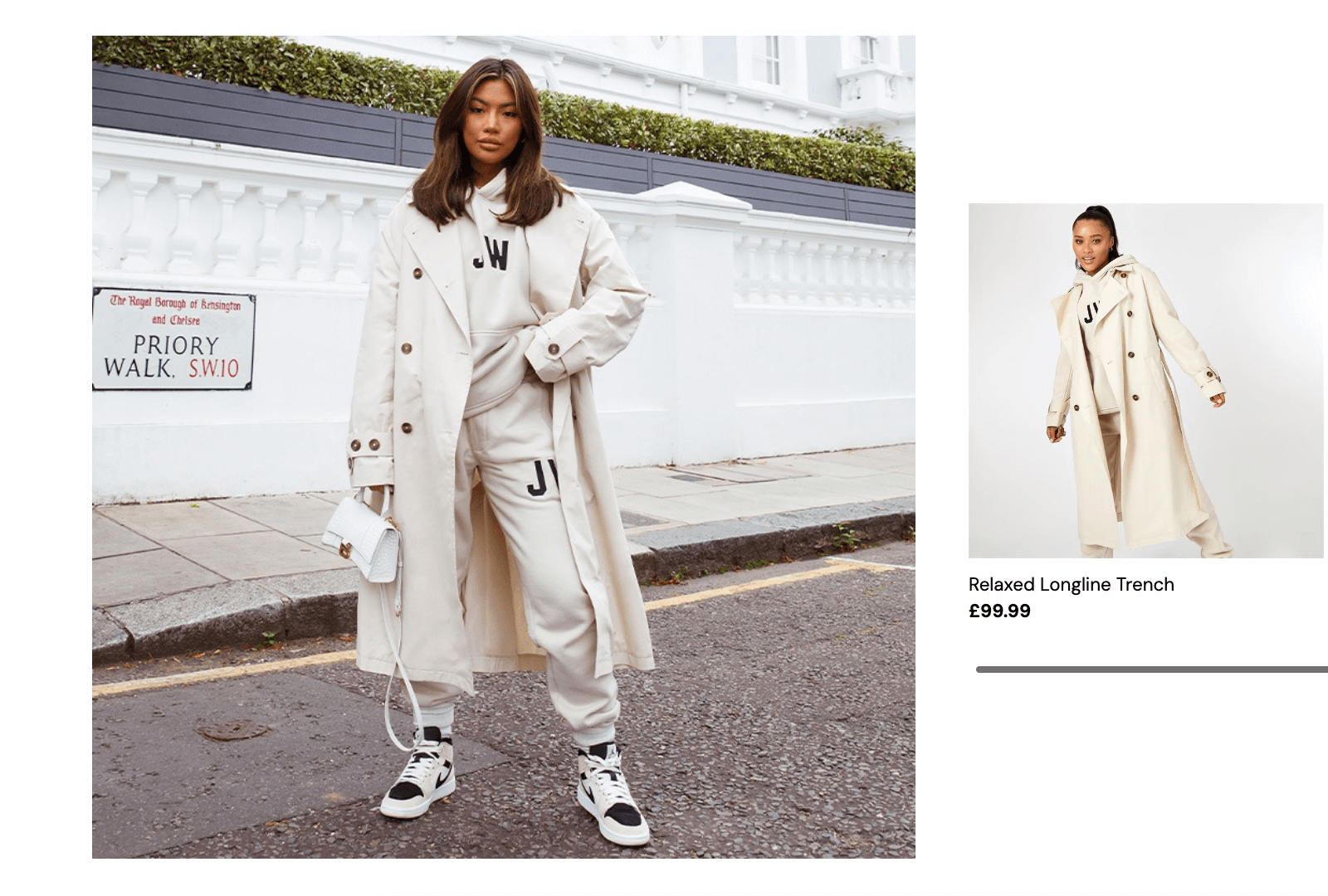
Why it’s a win: Jack Wills nailed the art of matching influencers with their vibe. By choosing creators who align naturally with their brand, the content feels less like marketing and more like an authentic snapshot of the Jack Wills lifestyle. From the slopes to London’s swankiest streets, these influencers make Jack Wills gear look aspirational, though it’s relatively affordable.
The results: Thanks to these influencer collaborations, Jack Wills has locked down serious visibility among Gen Z – a generation that’s quick to scroll past anything too sales-y. By keeping it fun, relatable, and perfectly on-brand, Jack Wills managed to create influencer campaigns that resonate deeply, racking up millions of views across TikTok and Instagram.
MVMT
MVMT (pronounced “Movement”) is another brand that has nailed the art of micro-influencer marketing.
Founded as a crowdfunded watch brand in 2013, they quickly realized the power of getting their products in front of audiences who valued style and simplicity – without paying mega-influencer fees. Instead, MVMT focused on micro-influencers, who typically have smaller followings but much higher engagement rates.
What makes MVMT’s strategy so effective is that micro-influencers are often happy to post in exchange for free products, rather than demanding the hefty price tags that come with bigger names. Plus, micro-influencers tend to have more engaged audiences. Their followers see them as relatable and trustworthy, so when they endorse a brand, it feels genuine.
MVMT’s decision to focus on these smaller creators paid off in a big way – the brand built a loyal customer base through authentic connections, racking up over 100,000 affiliate code conversions and 39,000 pieces of influencer-generated content along the way.
Why it’s a win: By prioritizing micro-influencers, MVMT managed to build a high-impact, cost-effective influencer program. They tapped into an audience that genuinely connected with the brand, making their watches and accessories feel like a must-have.
The results: MVMT’s influencer strategy is a testament to the power of micro-influencers. This strategy not only fueled growth but also led to MVMT’s acquisition by Movado for a cool $300 million in 2018 – not bad for a brand that started with a crowdfunding campaign.
 Liz Dolinski
How to start an influencer program
Looking at brands like Gymshark, Salesforce, and MVMT, it's easy to think successful influencer programs just happen naturally.
The reality is that behind every great influencer campaign is a solid strategy. So, if you're thinking about launching your own influencer program, here are six steps to get started.
Step 1: Figure out what you're trying to achieve
Before you start sliding into creators' DMs, take a step back and think about your goals.
Are you trying to get your brand in front of more people? Drive traffic to your website? Generate leads? Increase sales? Your answer shapes everything, especially the type of influencer you work with and the content you’ll create together.
For example, Gymshark built a community around fitness enthusiasts, while Salesforce used influencers to generate buzz around its flagship event, Dreamforce. Both of these brands started with a clear goal in mind, and you need to do the same. Having one makes it much easier not only to succeed but to measure that success later on.
Step 2: Choose the right influencers
One of the biggest mistakes brands make is assuming bigger is always better. Sure, influencers with millions of followers can generate huge reach, but smaller creators often have more engaged audiences and stronger relationships with their followers.
As a general rule:
- Nano-influencers (1K–10K followers) are great for niche communities and authentic recommendations.
- Micro-influencers (10K–100K followers) tend to offer a sweet spot in terms of reach, engagement, and affordability.
- Macro-influencers (100K–1M followers) can help scale campaigns quickly.
- Mega-influencers (1M+ followers) are ideal for mass awareness campaigns.
Just look at MVMT. By focusing heavily on micro-influencers, they built a hugely successful program without relying on celebrity endorsements.
Step 3: Decide how you'll compensate creators
Not every influencer partnership needs a massive budget. Depending on your goals and the creators you're working with, compensation could take several forms:
- Free products
- Flat fees
- Affiliate commissions
- Performance bonuses
- Long-term ambassador agreements
Many brands use a combination of these approaches. For example, a creator might receive free products upfront and earn commission on any sales they generate.
Step 4: Give creators direction (without micromanaging)
The best influencer content doesn't feel like an advert. That's why it's important to strike a balance between providing guidance and allowing creators to do what they do best.
A good campaign brief should include:
- Your campaign goals
- Key messaging points
- Content requirements
- Deadlines
- Brand guidelines
- Disclosure requirements
It’s also important to give the creators some creative freedom. After all, they know their audience best, so let them bring their own personality and creativity to the content.
Step 5: Measure what matters
Once your campaign is live, you need to use the right metrics to see how things are going. Some to keep in mind include:
- Reach and impressions
- Engagement rate
- Website traffic
- Leads generated
- Affiliate sales
- Conversion rate
- ROI
As tempted as you might be to put all your focus on vanity metrics, don’t! A post with fewer views but higher conversions may be far more valuable than one that racks up thousands of likes.
Step 6: Think beyond one-off campaigns
Some of the most successful influencer programs aren't built on a single campaign but on long-term relationships.
Gymshark is a perfect example. Rather than treating influencers as temporary partners, they've built a community of athletes who genuinely love and advocate for the brand.
When you find creators who align with your values and consistently deliver results, invest in those relationships. If you can build long-term partnerships, those will be the ones that feel more authentic, build greater trust with audiences, and often deliver better results over time.
 Cecilia Toro
How influencer programs pay creators
Ever wondered how brands pay the people promoting them? Well, most influencer programs use one of three approaches: flat fees, commissions, or free products.
Flat fees
This is probably the model most people think of when they hear “influencer marketing.”
A brand pays a creator a fixed amount to produce content, whether that’s an Instagram Reel, TikTok video, YouTube review, or sponsored post. The exact amount varies depending on the creator’s audience size, engagement rates, and niche.
For brands like Semrush and Salesforce, flat-fee partnerships often make sense because they frequently work with subject-matter experts and industry creators whose expertise is part of the value they bring.
Commissions
Some influencer programs take a more performance-driven approach.
Instead of paying creators upfront, brands provide a unique referral link or discount code and reward influencers for every sale they generate. This is often called affiliate marketing, and it creates a win-win situation: creators earn more when they drive results, and brands only pay when revenue comes in.
MVMT is a great example. The watch brand built much of its growth through influencer partnerships that encouraged creators to share discount codes with their audiences. The result? More than 100,000 affiliate code conversions and a loyal community of customers who discovered the brand through trusted recommendations.
Free products
Not every influencer partnership starts with a paycheck. Many brands begin by sending free products to creators in exchange for honest reviews, social media posts, or simply the chance to get their products in front of the right audience.
In fact, Gymshark’s influencer program started in a remarkably simple way. Founder Ben Francis sent apparel to fitness creators he genuinely admired, hoping they’d like what he was building. As it turns out, they did.
What began as a handful of product giveaways eventually evolved into one of the most recognizable influencer programs in the fitness industry.
The best influencer programs mix and match
The reality is that many successful influencer programs don't rely on a single compensation model.
A brand might send free products to test a new creator relationship, offer commission-based incentives to drive sales, and pay flat fees for larger campaigns or product launches.
Conclusion
These five brands prove there’s no one-size-fits-all approach to influencer marketing. From Gymshark’s authentic community of fitness lovers to Salesforce’s layered, human-centered approach, each example shows that the key to success is building a strategy that genuinely connects with your audience.
Here’s what we can learn from these standout influencer programs:
👥 Know your audience: Whether you’re a fitness brand or a software provider, the most effective campaigns meet people where they are and give them something of value.
🧑💼 Think beyond the big names: Micro-influencers may not have millions of followers, but their high engagement and relatability can work wonders.
🤝 Focus on genuine connections: Whether through relatable content or community-building, influencers who genuinely love your brand are sure to show it in the best light.
😂 Have fun with it: Don’t underestimate the power of comedy. Relatable, comedic content cuts through the noise and makes your brand more memorable.
These examples serve as a reminder that influencer marketing isn’t just about reach; it’s about resonance. Build genuine relationships, stay adaptable, and remember: the best campaigns don’t just speak to your audience – they engage them.
FAQs
What is the minimum follower count to join an influencer program?
There’s no set number, it’s all about the brand. Some, like Gymshark, care more about your vibe and content quality than your numbers. Small programs might only ask for 1,000 followers, while big ones like Adobe look for 10k+. Bottom line: high engagement beats a huge follower count every time.
How much do influencer programs pay?
Pay varies widely by compensation model. Flat-fee affiliate programs can pay a set amount per sale (Fabletics pays $24 per sale), tiered ambassador programs pay per post based on reach (Adobe's tiers run $500–$1,500 per branded post), and commission-based programs pay a percentage of sales (typically in the 3–5% range). Many brands, including Gymshark, Lululemon, and MVMT, don't publish a rate at all.
Which platforms do influencer programs use?
Instagram and TikTok are the big players for everyday products, with YouTube taking the lead for deeper reviews. B2B brands often flip the script and lean heavily on LinkedIn or even podcast guest spots.
Do you have to be a full-time influencer to join a program?
Not at all. Tons of brands love side-hustlers and everyday people such as Lululemon tapping local fitness instructors. As long as you have an engaged audience, you're fair game.
Is it normal for an influencer program to ask for money to join?
Never. Real programs pay you in free product, cash, or commission. If a brand asks for money upfront, it's a scam and you should walk away.


Become a CMO Insider
Thank you for subscribing
Get exclusive insights, frameworks, and strategies from marketing leaders driving real business impact.
An email has been successfully sent to confirm your subscription.
 Follow us on LinkedIn