.png)






When I took on the CMO role at Consumer Reports two years ago, I knew we had something special. Here was a 90-year-old nonprofit with off-the-charts brand awareness and tremendous consumer trust.
But we also faced a challenge that many legacy brands know well: how do you stay relevant when your average subscriber is 60 years old, and the world is moving faster than ever?
The answer, we discovered, lies in treating reputation not just as an asset to protect, but as an active competitive strategy.
Let me walk you through how we're approaching this at Consumer Reports, and what we've learned about building brand trust that actually drives business results.
Understanding the trust imperative
First, let's acknowledge what we all know but sometimes struggle to articulate to our CFOs: trust matters enormously to the bottom line.
The data backs this up:
- 81% of consumers say they must trust a brand to buy from it.
- Companies with strong reputations outperform their competitors by significant margins.
- And 61% of consumers are willing to pay more for products from a brand name they trust.
But here's what surprised me when I dug deeper into Consumer Reports' position. We weren't just trusted – we were instrumental in creating systemic change that improved American lives.
We helped get cigarettes banned from restaurants. We're one of the reasons seat belts are required in cars. More recently, we pushed for backup cameras to become standard. This wasn't just about telling people what dishwasher to buy. It was about using our testing and advocacy to make products safer for everyone.
The challenge was communicating this broader impact, especially to younger audiences who might see us as their parents' or grandparents' brand.
For expert insights like this straight to your inbox twice a month, sign up for Pro+ membership.
You'll also get access to a range of certifications, a complimentary Summit ticket, 50+ tried-and-true templates, members-only workshops, and much more.
So, what are you waiting for?
The nostalgia trap (and how to avoid it)
As we started developing our brand strategy with my head of brand, Jen, we looked at successful campaigns that had leveraged trust and reputation effectively. Two stood out to me.
First was Volkswagen's campaign, which beautifully tapped into its heritage. It was emotionally resonant, well-crafted, and celebrated the brand's place in American culture. But it also came with a warning from one of our agency partners:
"Nostalgia is not a strategy."
You can't lean too heavily on what you were. You need to show what you are and what you're becoming.
The second was United Airlines' campaign featuring a young cancer survivor. What struck me wasn't just the emotional storytelling – it was how they pivoted from the embattled airline narrative to showcase human connection. The intergenerational element, with an older pilot celebrating a younger passenger's victory over cancer, showed how established brands can bridge age gaps authentically.
These examples shaped our thinking as we developed our first major brand campaign in years.
Our first attempt: Learning from "Not just for dads"
About a year ago, we launched a campaign with a simple premise: Consumer Reports isn't just for dads.
The creative showed typical scenarios – like discovering your fridge is broken or second-guessing a car purchase – where people traditionally turn to their fathers for advice. The message was that Consumer Reports could be that trusted advisor for everyone.
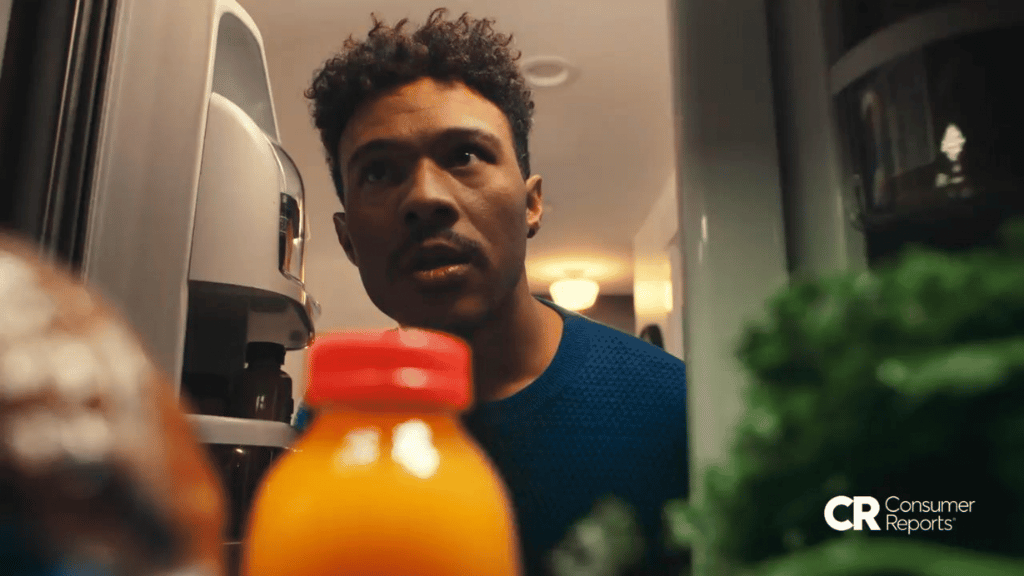
The results were fascinating and humbling. The campaign worked brilliantly... with dads. Specifically, it resonated most with people 65 and older, driving a 30-40% search lift from that demographic.
We'd aimed for millennials and hit boomers instead.
This taught us something crucial: in today's crowded, chaotic environment, trust alone isn't enough. Utility matters just as much. If you're not clearly communicating how your product can be used, it won't resonate or drive conversion. This is especially true for legacy brands in highly commoditized spaces – exactly where Consumer Reports sits.
Four principles for reputation-driven marketing
Based on these learnings, we developed four guiding principles for our next campaign:


Become a CMO Insider
Thank you for subscribing
Get exclusive insights, frameworks, and strategies from marketing leaders driving real business impact.
An email has been successfully sent to confirm your subscription.
 Follow us on LinkedIn