.png)






Taste is the one thing that sets great content, great creative, and great execution apart from everything else right now.
Thanks to AI, anyone can produce more content, faster and cheaper than ever before. The only real moat left is whether what you put out into the world is actually any good.
In this article, I'll share everything you need to know to use AI without sacrificing quality. Here’s what we’ll cover:
- Why "AI-generated" isn't the real definition of slop (and what actually is)
- How the content marketer's role is shifting
- What a modern AI-integrated content team can realistically achieve
- Why taste is now your most valuable marketing asset
- What CMOs specifically need to do to lead this change
The AI slop problem
By most measurements, we now have as much AI-generated content online as human-written content, and that's after only three years of tools like ChatGPT.
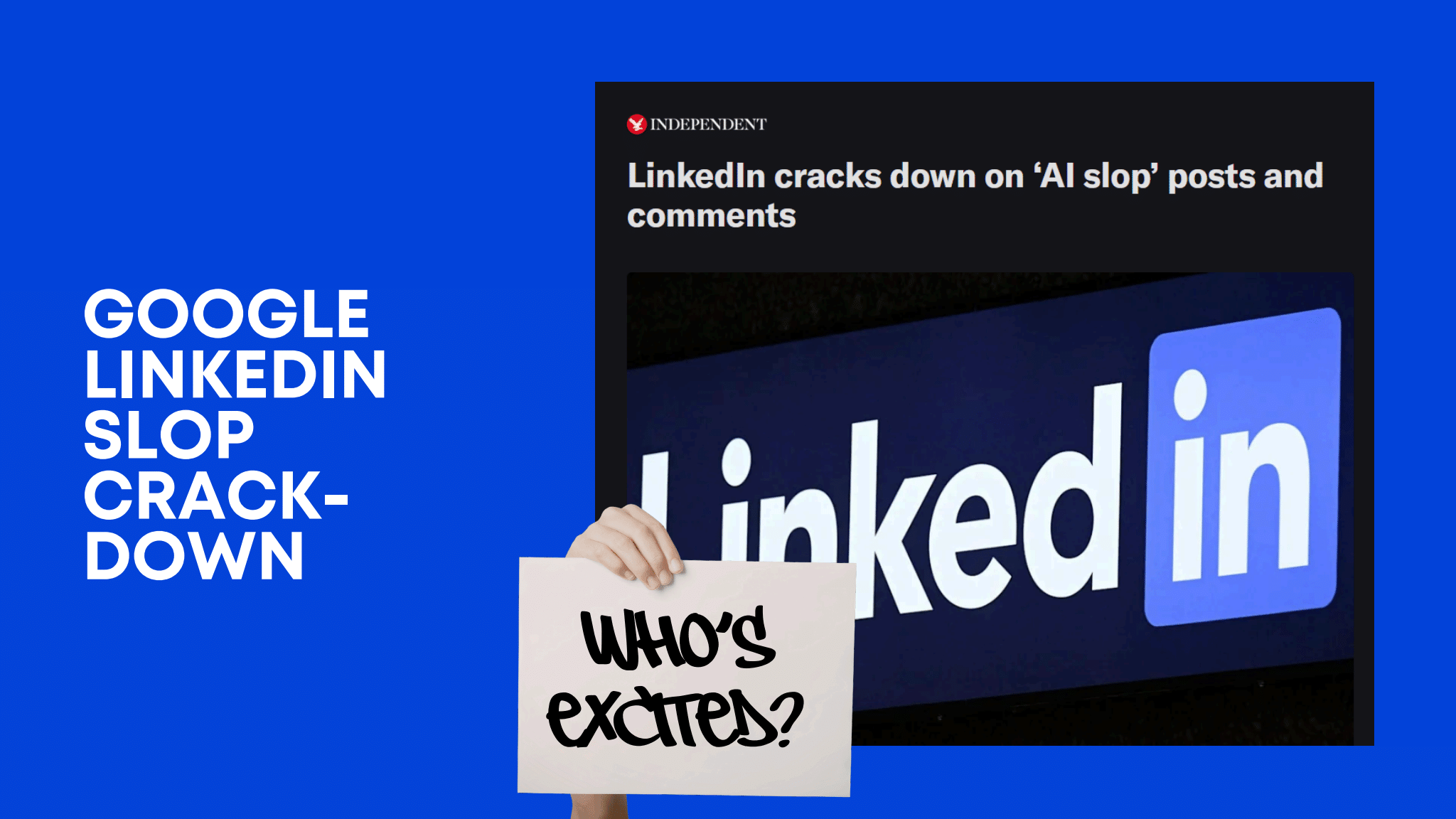
Google and LinkedIn have both started responding. In May, Google rolled out a major core update. Meanwhile, LinkedIn announced its own crackdown on AI slop. You can already see the effect on the LinkedIn feed: fewer of the same recycled templates making it to the front. If you're on the "create and post, create and post" treadmill, this is going to shake things up.
So, what is slop, really? Most people would say slop is AI-generated content. That's the easy answer, and it's mostly wrong.
There's never been a shortage of bad content on the internet. I've seen very good teams produce very bad blogs. They analyze the top five ranking articles on Google, write something nearly identical, add no extra value, and hope to rank. That's also slop. It just happens to be human-made slop.
I'll go further and say something that might rub people the wrong way: AI writes better than most humans.
It can’t write better than good writers, who spend years honing their craft. However, a lot of people had never seriously picked up a pen before AI showed up, and now they’re churning out content like nobody’s business. The AI writes more cleanly than they ever could. Yes, it uses a lot of em dashes because it was trained on academic writing, books, and formal publications. But it reads well, technically speaking.
Slop isn't created by AI. Slop is created by humans who publish carelessly. They open ChatGPT, type "write me a post about X", paste the output into LinkedIn, and hit post. That's slop – not because AI made it, but because no thought, no strategy, and no taste went into it.
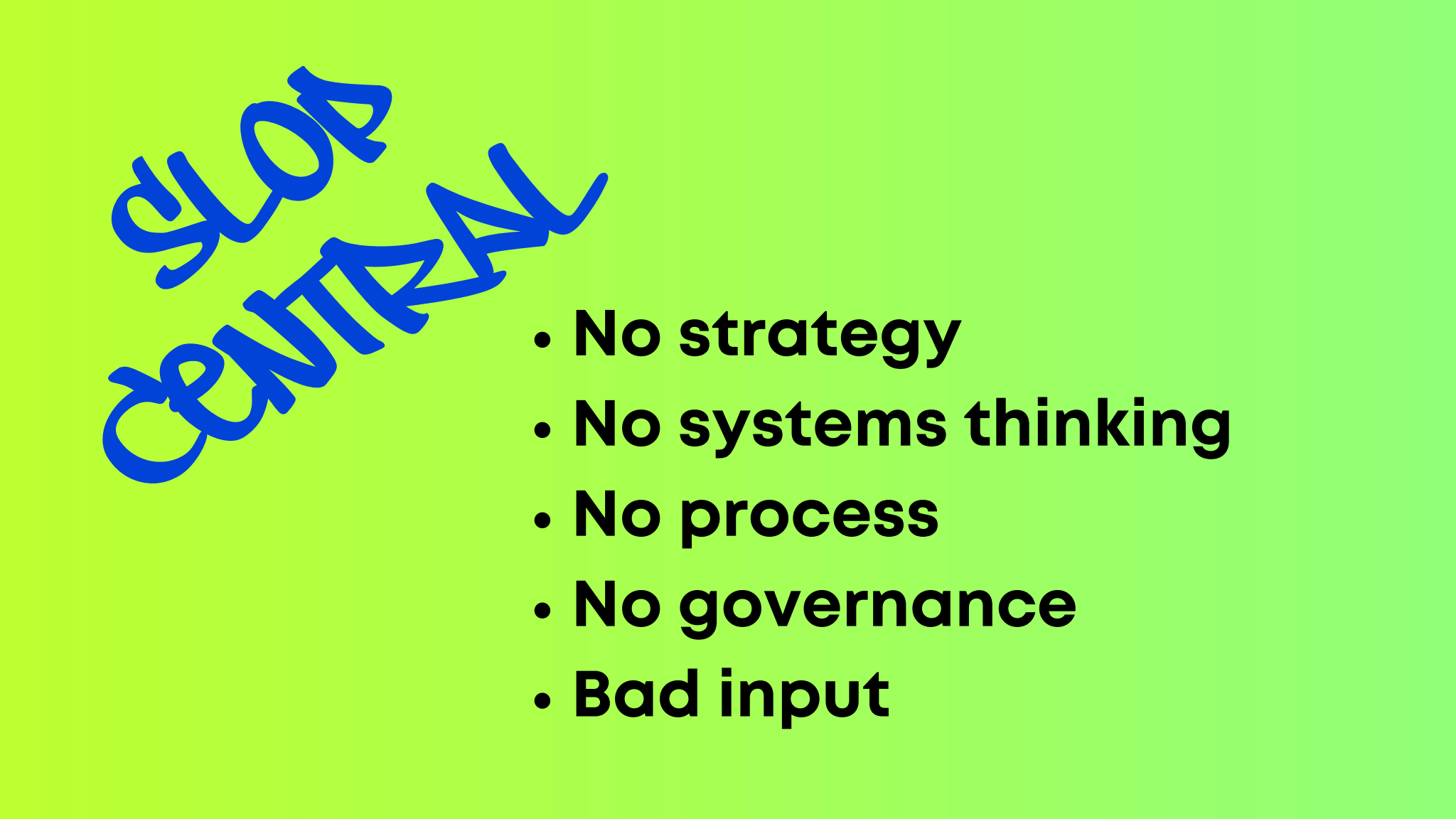
Think of a calculator. If you punch in two plus two and hit equals, you get four. If you punch in two plus divide two and hit equals, you get an error. The calculator works fine, but the human input was bad. Large language models work the same way. Poop in, poop out. Gold in, gold out.
The deeper problem is that most people are outsourcing their thinking to LLMs, but LLMs don't think. They predict the next best word in a sentence based on probability. That's it. The earliest version of this most of us encountered was Gmail's autocomplete, finishing your sentences in ways that were almost always slightly wrong. That's still essentially what's happening, just with vastly more context.
For expert insights like this straight to your inbox twice a month, sign up for Pro+ membership.
You'll also get access to a range of certifications, a complimentary Summit ticket, 50+ tried-and-true templates, members-only workshops, and much more.
So, what are you waiting for?
The "bring your own tools" problem
There's another factor making the slop crisis worse. In a LinkedIn poll I ran recently, around 70% of people admitted to using personal AI tools for company work.
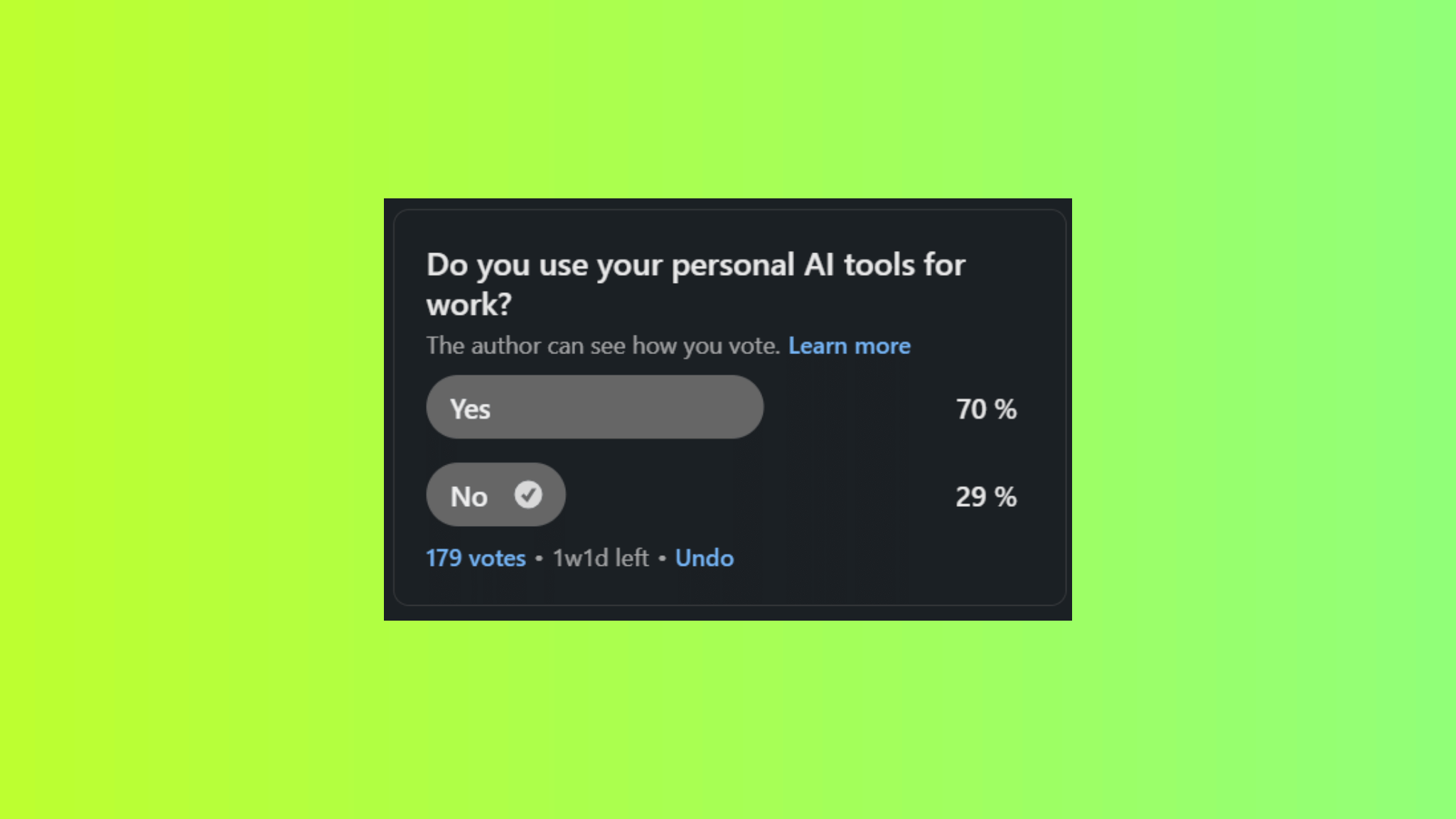
This is why slop spreads inside organizations. Leadership keeps saying, "You have AI now, you should be faster," without giving their teams proper tools or guardrails. So, people open a personal ChatGPT, crank out the work, and publish.
What content teams used to look like
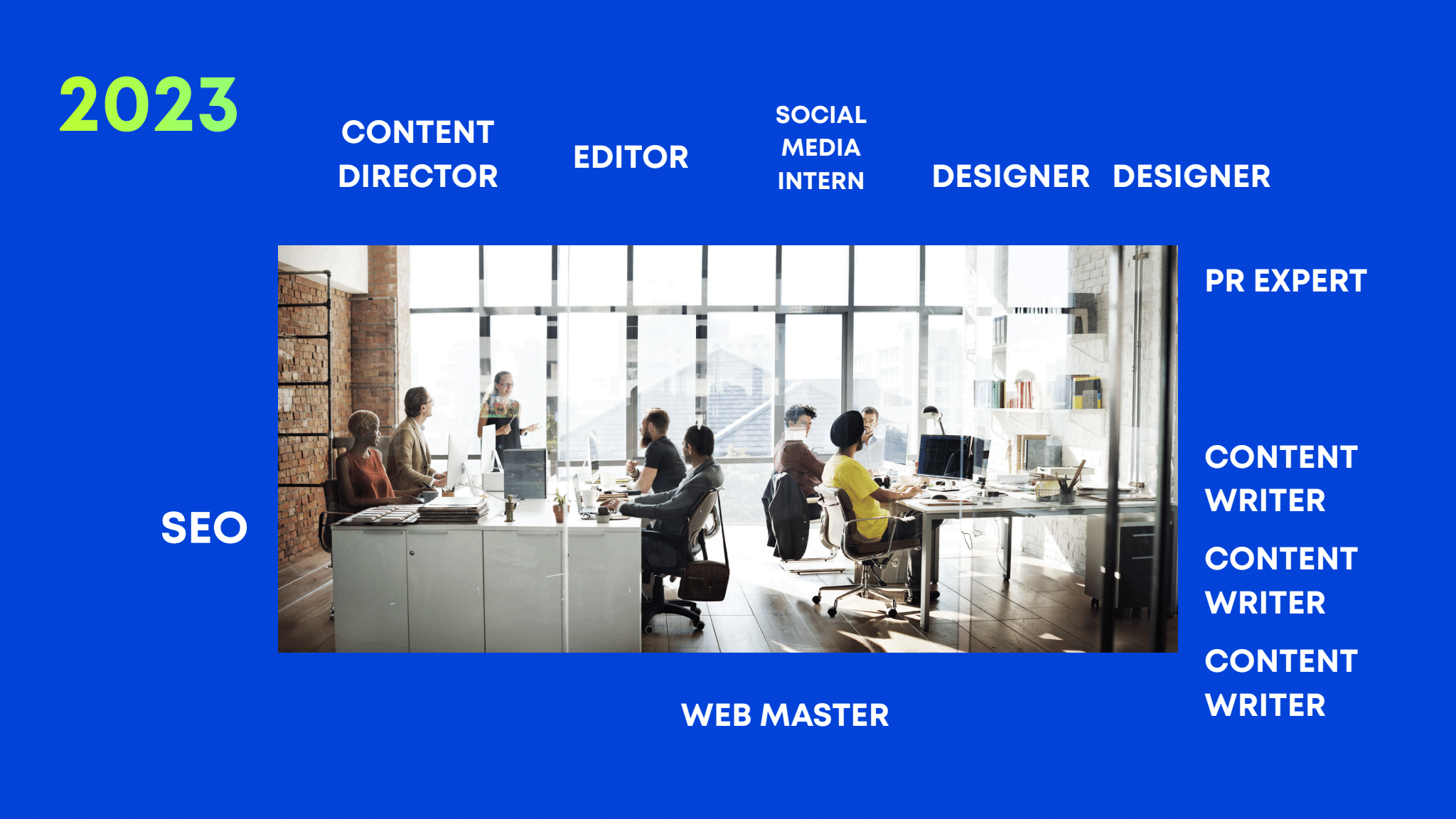
Back in 2023, which is only three years ago but feels like a different era, a typical content department looked something like this:
- An SEO person (could be a freelancer or in-house)
- A content director setting strategy
- An editor (hopefully!)
- An intern or junior content writer looking after social media (founder-led marketing wasn't really a thing yet)
- A few designers
- Maybe a PR person
- A handful of writers
- A webmaster locked in a never-ending battle between WordPress and their own sanity
A team like that would put out roughly one blog per writer per week. Five writers, five or six blogs a week (sometimes less if you were tackling a long skyscraper piece).
The biggest problem with that team was brand consistency. Getting five to ten human beings to write in the same tone is nearly impossible. You can have the best brand bible in the world, and humans will still drift.
AI is more consistent than humans. That's part of why we can spot slop so easily, because the patterns repeat: Lists of three, em dashes, "it’s not X – it’s Y". LLMs are pattern machines. If you tell them not to use an em dash, you're essentially asking them to fight their own training.
So, if AI writes more consistently than humans, and arguably better than the median human writer, the real question becomes how you put it to work properly.
What my content department looks like now


Become a CMO Insider
Thank you for subscribing
Get exclusive insights, frameworks, and strategies from marketing leaders driving real business impact.
An email has been successfully sent to confirm your subscription.
 Follow us on LinkedIn