



.png)




The role of the Chief Marketing Officer has never been more dynamic or more demanding. Today’s CMOs and aspiring marketing leaders must balance strategy with execution, creativity with analytics, and long-term vision with short-term results.
To succeed, you need more than just great campaigns; you need a structured way to build, learn, retain, and grow.
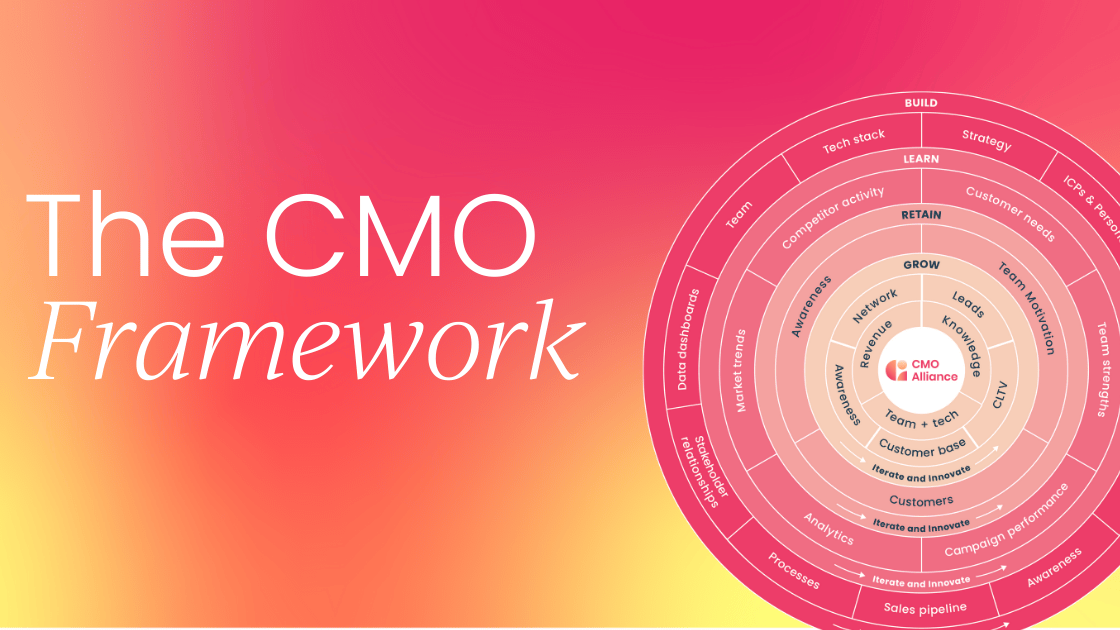
The CMO Framework is designed to guide you through every stage of marketing leadership.
It highlights the critical areas you need to master, from laying the foundation of your strategy and team, to continuously learning from the market, to retaining both customers and talent, and finally, scaling your impact and growth.
Each stage is paired with practical resources to help you take action right away.
What is the CMO Framework?
The CMO Framework is a four-stage model that gives marketing leaders a reliable way to build strategy, sharpen execution, and scale their impact over time.
Most CMOs don't struggle for lack of ideas, but they struggle because they're doing things out of order. Campaigns launch without a real strategic foundation, customer insights get missed, retention becomes an afterthought, and growth hits a wall because the groundwork was skipped.
The CMO Framework solves that by giving you a single system to follow so you can lay the right foundation, keep learning as you go, protect the revenue you've already earned, and grow with real intention.
Who is this CMO Framework for?
The CMO Framework is flexible enough to adapt to any business model or leadership level, but it delivers the most value for:
- First-time CMOs. Gain immediate structure during your first 90 days. The CMO Framework helps you sequence priorities fast so you don't have to build an approach under pressure.
- Scaling marketing leaders. Transition smoothly from hands-on execution to executive leadership. The CMO Framework gives your growing team a repeatable system that doesn't rely entirely on you.
- Aspiring CMOs & VPs. Prepare for the top seat before you’re accountable for it. The CMO Framework provides a clear picture of what total marketing leadership actually looks like.
- B2B marketing leaders. Navigate long sales cycles and complex buying teams. Use our CMO Framework to strengthen your insights and protect customer relationships for the long haul.
- B2C marketing leaders. Higher-volume, higher-velocity markets put more weight on the Build and Growth stages. This CMO Framework helps systemize your channels and messaging so you can scale efficiently.
- CMOs navigating a transition. Audit a new role or company quickly. The CMO Framework lets you quickly map what’s working, what’s broken, and what to rebuild first.
1. Build
This is where you lay the groundwork. Strategy, technology, ICPs, messaging, channels, dashboards, processes, and team structure – all the elements that set the stage for successful marketing live here. Without them, growth becomes guesswork. With them, your efforts become scalable and repeatable.
In short: Build the systems and clarity that make everything else possible.
 Laura Goldstone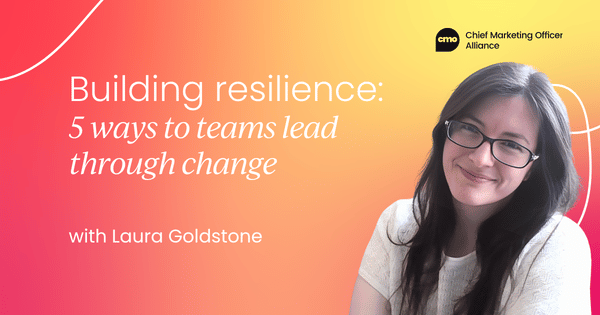
 Charley Gale
 Richard King
 Carlota Feliu Argila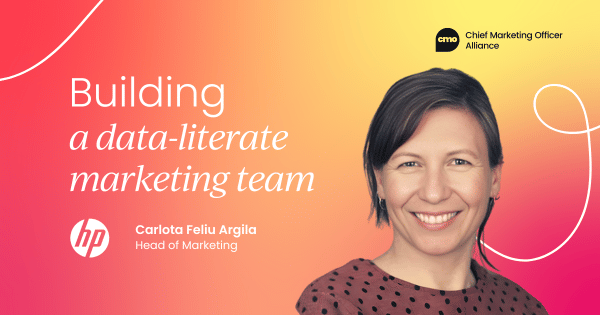
 Carley Gauthier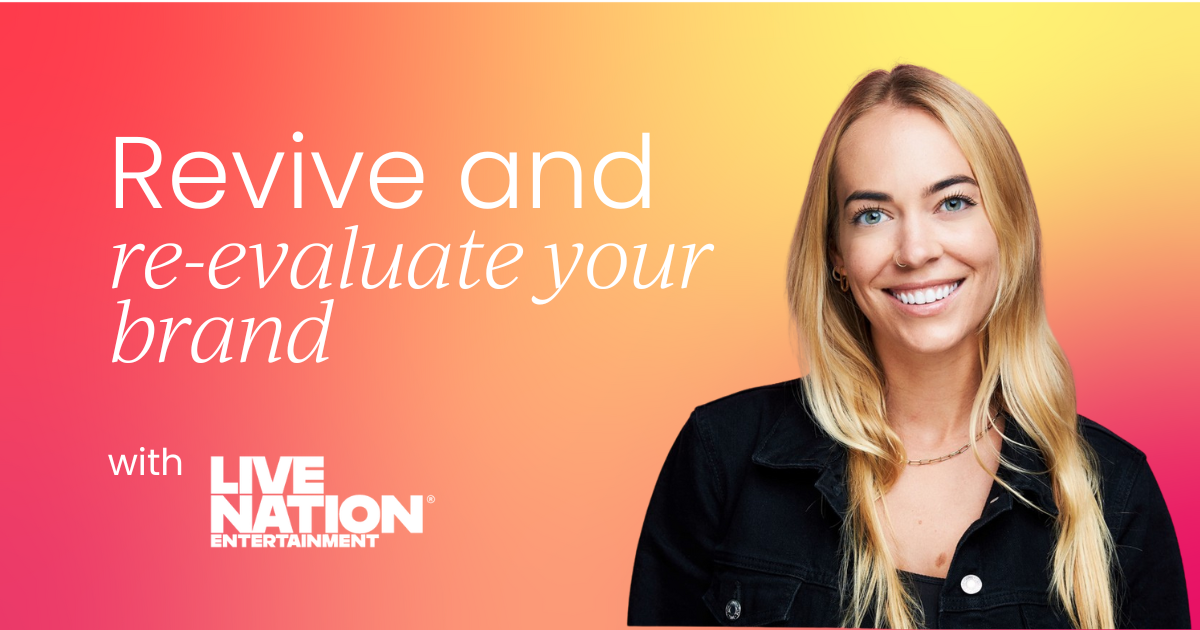
 Richard King
 Audrey Masset
2. Learn
Marketing is never static. The leaders who thrive are the ones who stay curious, analytical, and reflective. This stage is about uncovering insights from competitors, campaigns, customers, and data – then using those insights to sharpen your approach.
In short: Keep learning so your strategy never stands still.
 Content Team
 Charley Gale
 Amelia Wilson
 Ana Panizo Neary
 Richard King
 Bryony Pearce
 Amelia Wilson
3. Retain
Retention turns good marketing into great business. Whether it’s motivating your team, keeping your customers loyal, or sustaining awareness, this stage ensures the value you’ve created doesn’t leak away. Retention compounds effort, turning short-term wins into long-term momentum.
In short: Protect and nurture the assets you’ve already built.
 Karen Chalmers
 James Shaw
 Islam Gouda
 Amelia Wilson
 Amy King
 Amelia Wilson
 Islam Gouda
4. Grow
Here, momentum becomes acceleration. Growth means expanding your customer base, generating more leads, boosting CLTV, and driving revenue. But it also means investing in your team, networks, and tech, so you can scale impact without burning out or breaking down.
In short: Growth is about multiplying results while staying ready for what’s next.
 Danielle Balestra
 Laura Goldstone
 Alena Morris
 Teresa Garanhel
 Cecilia Toro
 Steve Kearns
 Paul Shapiro
How to use the CMO Framework
The CMO Framework works best when you work through it step-by-step first, then treat it as an ongoing routine. Here’s how to put it into practice:
Step 1: Audit your Build foundations
Start by taking stock of what's actually in place. This includes your strategy, tech stack, ICPs, messaging, channels, dashboards, processes, and team structure. Flag the gaps now. Anything skipped here will only show up as friction down the line, so it pays to be brutally honest with yourself before moving forward.
Step 2: Run a Learn cycle
Once your core is mapped, turn your focus outward. Look at what competitors are pulling off, see what your recent campaigns actually delivered, and listen to what your customers and data are trying to tell you. Treat this as a regular pulse check, not a one-and-done research project.
Step 3: Shore up Retention
Look at where value is leaking. You might notice customer churn creeping up, team morale slipping, or brand awareness fading. Pick one or two high-leverage fixes (like customer loyalty efforts or team re-engagement) and plug those gaps first. After all, holding onto what you’ve earned is what funds your future growth.
Step 4: Plan your Grow initiatives
Only push for rapid expansion once your foundations, learnings, and retention are in good shape. Set clear targets for revenue, lead gen, and customer lifetime value, and make sure your team and infrastructure are actually equipped for the push so you don't burn everyone out in the process.
Step 5: Revisit the cycle quarterly
The CMO Framework isn't a one-time audit; it's a loop. Set a recurring check-in (quarterly works well for most teams) to run through the steps again. As your foundation evolves and new insights come in, your retention and growth priorities will naturally shift, too.


