.png)




Have you ever sat across from a recruiter who said you're amazing, you've got all the right skills, you're a great marketer... but you don't have the industry experience?
Yeah, me too. But if you're really good at something, how much does the specific industry really matter?
This question has haunted me throughout my entire career. From my early days at Adidas, through my transition into tech, and now at OWOW, where we invest in companies and build partnerships. Each time I wanted to make a move, I heard the same thing: "That's different. You can't do that. It's not the same."
But here's what I've learned after partnering with a company that created a product sold for over $850 million (yes, you read that right): your value doesn't decrease based on someone's inability to see your worth.
The neuroscience of value
Last year, I discovered a book that changed how I think about marketing: Emily Falk's "What We Value." Emily isn't a marketer – she's a neuroscientist. In my opinion, the best marketing books aren't written by marketers. They're written by people who understand why human beings make certain choices.
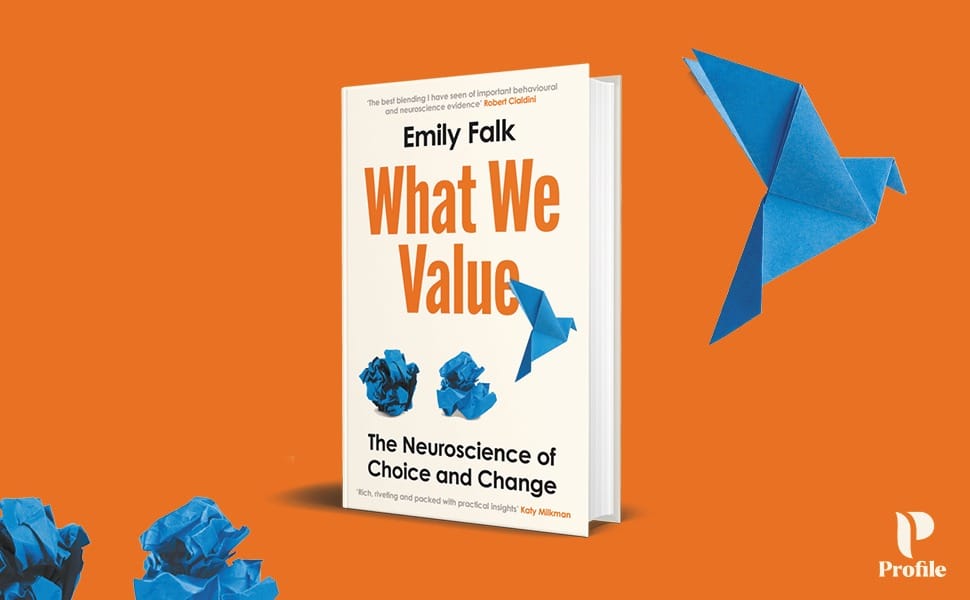
The most fascinating thing I learned is that we all have a physical value system in our brains – the prefrontal medial cortex and the ventral striatum. These areas light up every time you choose Coke over Pepsi, or Pizza Hut over Papa John’s. This system never switches off; you’re constantly adapting your value system throughout the day.
As Emily puts it…
"The value system tracks the subjective value of different things, regardless of whether the person is consciously trying to make a decision about them.
"When you're scrolling through social media, passively consuming ads, our value systems are still registering the inputs, even if we aren't actively paying attention to them."
This is what your brain is dealing with every single day: constant information overload, with every ad and message subtly influencing your value system. No wonder you’re tired by the time 8 pm rolls around!
For expert insights like this straight to your inbox twice a month, sign up for Pro+ membership.
You'll also get access to a range of certifications, a complimentary Summit ticket, 50+ tried-and-true templates, members-only workshops, and much more.
So, what are you waiting for?
The five senses of value
We're in the feelings business. We're trying to change how people feel about a product, a brand, a market, or a competitor. But here's something I learned from Emily's book: we don't really understand the difference between feelings and emotions.
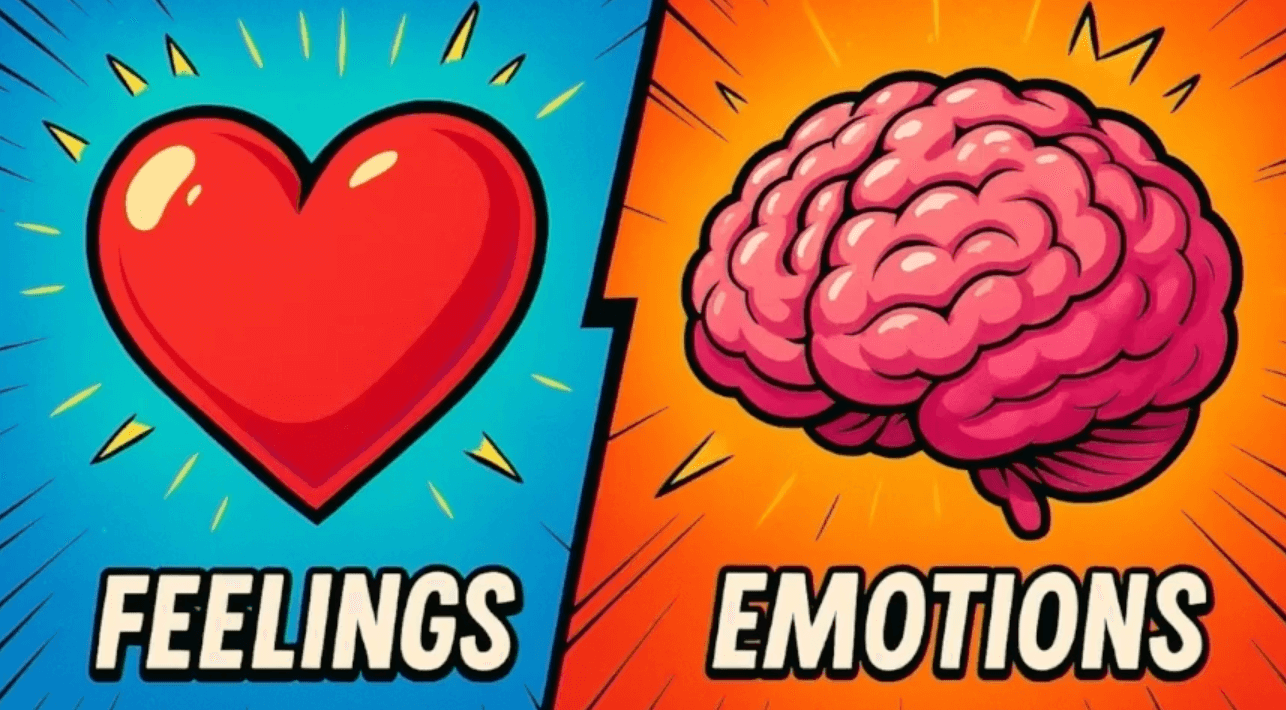
Feelings are the conscious experience of emotional states. You know, "I feel great about this brand" or "I hate this competitor." Emotions are different. They're bodily responses to stimuli. It's possible to have emotions without feelings, but not possible to have feelings without emotions.
So, if we want to influence how people feel, we first need to understand how emotions are triggered. And there’s a surprisingly simple answer: through the senses.
Our senses are the pathway to the brain, and they ultimately determine how much value we perceive in a product. Let’s break down each one.
Sight
Every landing page, every piece of messaging – it's all trying to influence our eyeballs. But it's gotten really difficult. When I was at Adidas, all I had to do was make you like Adidas more than Nike. Like the stripes more than the swoosh, and I'd done my job.
Life isn't like that anymore. We're bombarded with visual information. But our brains have a unique way of dealing with it. They reduce cognitive load by making us focus on the most interesting version of what we see. That's the neuroscience behind positioning – if I make one thing more interesting than the thousands of other things on the shelf, your value system will do the rest.
Sound
We don't invest enough in sound, and that's a mistake. Sound is really powerful for turning emotions into memories and influencing our value system. The science shows that sounds are much more effective than visuals for driving brand recall.
Want proof? Hit play below.
I bet your dopamine levels just spiked because you thought you were about to watch your favorite Netflix show instead of reading this article. That's brand value – two little notes that connect with you instantly through emotional resonance.
Smell
Now, I'm not asking you to design a signature smell for your B2B automation company... but maybe you should?


Become a CMO Insider
Thank you for subscribing
Get exclusive insights, frameworks, and strategies from marketing leaders driving real business impact.
An email has been successfully sent to confirm your subscription.
 Follow us on LinkedIn