.png)




Last week, I was baking my favorite chocolate zucchini cake when I hit a snag. The vanilla bottle? Nearly empty. I dumped in every last drop (you can never have too much vanilla, right?) and did what I always do: "Alexa, add vanilla to my grocery list."
"Okay, Christy. I've added vanilla to your grocery list."
Then, without any prompting from me, she asked if she wanted to hear some suggestions. I'll be honest – I usually tell her no. Sometimes I'm less polite about it. But this time, curiosity got the better of me.
Her suggestion: "Would you like me to place an order for vanilla through Whole Foods?"
That's when it clicked. My Amazon Alexa wasn't just an AI assistant anymore. She'd become an AI agent.
The fundamental difference between AI assistants and agents
You've probably used generative AI tools like ChatGPT or Perplexity. We're past the point of evangelizing about how amazing these tools are – you already know. But here's what's changing: we're moving from AI that responds to AI that initiates.
The difference is subtle but profound. I didn't ask Alexa to suggest ordering vanilla. She prompted me based on patterns she'd observed – that I frequently follow up grocery list additions with Whole Foods orders. She predicted my need and offered to execute a multistep workflow without my explicit instruction.
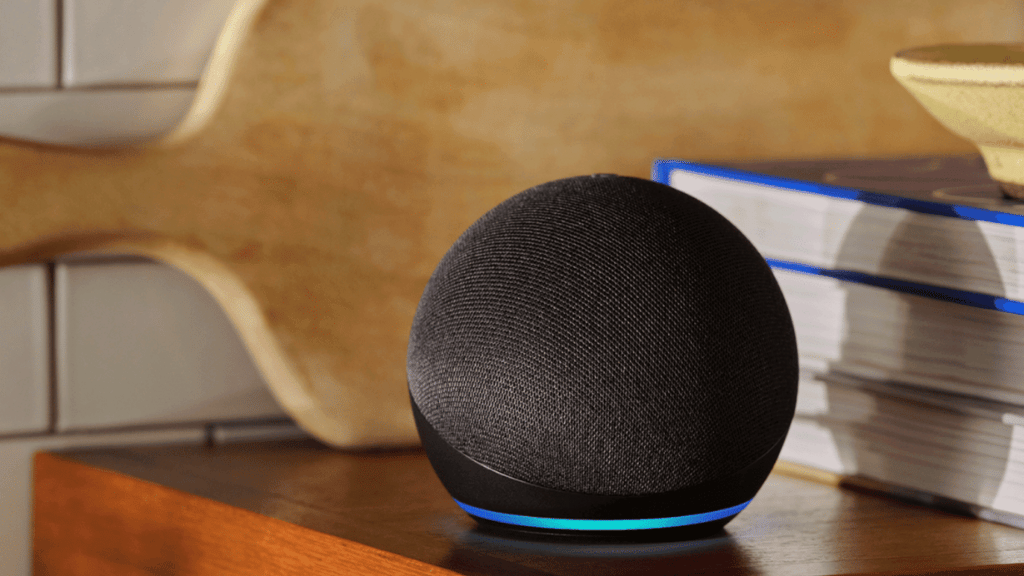
That proactive behavior is what makes an AI agent different from the generative AI we've grown comfortable with. Generative AI waits for your commands. AI agents anticipate your needs and can execute complex tasks across multiple systems.
For someone who genuinely dislikes grocery shopping (years of dragging kids through grocery stores will do that to you), this is revolutionary. Having an AI agent that can take my list, send it to Whole Foods, and arrange delivery? That's time I get back for things I actually enjoy – like baking delicious cakes.
Understanding AI agents through the lens of "shifting left"
There's a concept from DevOps that perfectly explains what's happening with AI agents: shifting left. I know, your buzzword klaxon is probably going off right now, but stick with me – this one's worth understanding.
In a nutshell, shifting left means optimizing workflows in real-time rather than fixing problems after the fact. You catch issues as they happen, not during some painful post-mortem review session.

We've seen this transformation sweep through marketing before, with the great migration to SaaS, cloud computing, and marketing automation. Remember those clunky early days of Marketo? Two weeks of boot camp just to teach new hires how to create a simple email template.
I counted once – when I was Head of Marketing at SAP Concur, my team needed to master 26 different tools just to do their jobs effectively. Twenty-six! That’s a lot of training and boot camps.
But once we got those tools humming, it was revolutionary. We were automating tasks, scaling campaigns, and outmaneuvering competitors who were still doing everything manually. That was our first major shift left in marketing.
Fast forward to today, and we have tools like Canva or HubSpot. New marketers can now build and launch campaigns in minutes, not weeks.
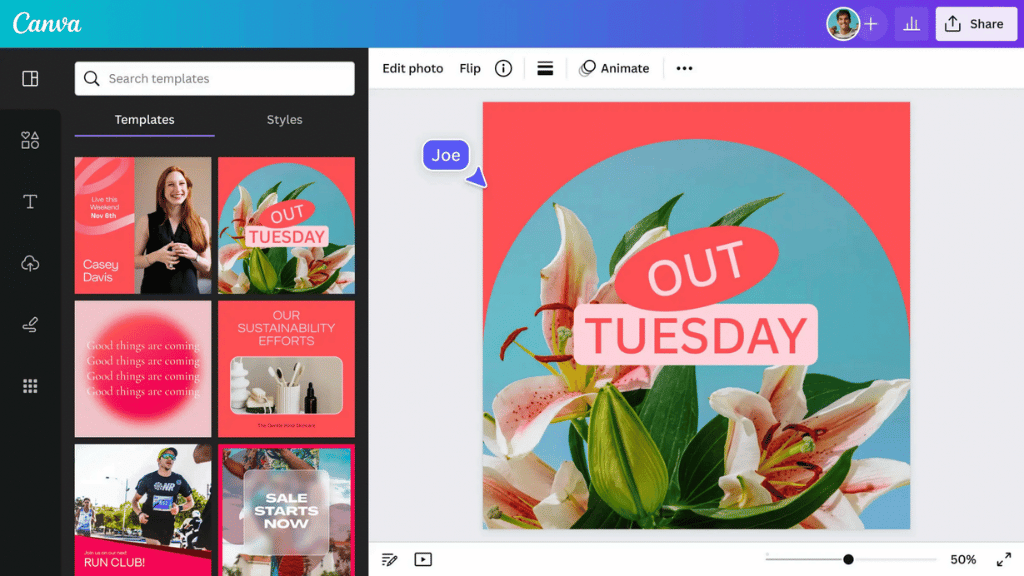
Even our personal workflows are shifting left. Take Grammarly – it's not just catching typos anymore. It's improving clarity, tone, and readability as you type.
This matters more than you might think. In our company, we have subject matter experts (SMEs) creating content everywhere. Not just marketing folks – engineers, product managers, customer success teams. After all, to build real authority in search (whether we're calling it SEO, AEO, or GEO these days), you need genuine experts creating content.
Those experts can't be sending marketing teams garbage to clean up. They need tools like Grammarly to make their first drafts marketing-ready. Maybe we help with messaging alignment, but they're handling the basics themselves. Everyone becomes their own first line of defense against communication errors.
If Marketo represented shifting left for marketing automation, then agentic AI represents an even bigger shift left for marketing strategy itself. Tools like Grammarly and Canva are just the beginning.
For expert insights like this straight to your inbox twice a month, sign up for Pro+ membership.
You'll also get access to a range of certifications, a complimentary Summit ticket, 50+ tried-and-true templates, members-only workshops, and much more.
So, what are you waiting for?
The three stages of AI agent evolution
Let's break down how AI agents actually show up in our workflows. There are three distinct stages, and understanding them helps you prepare your team for what's coming.
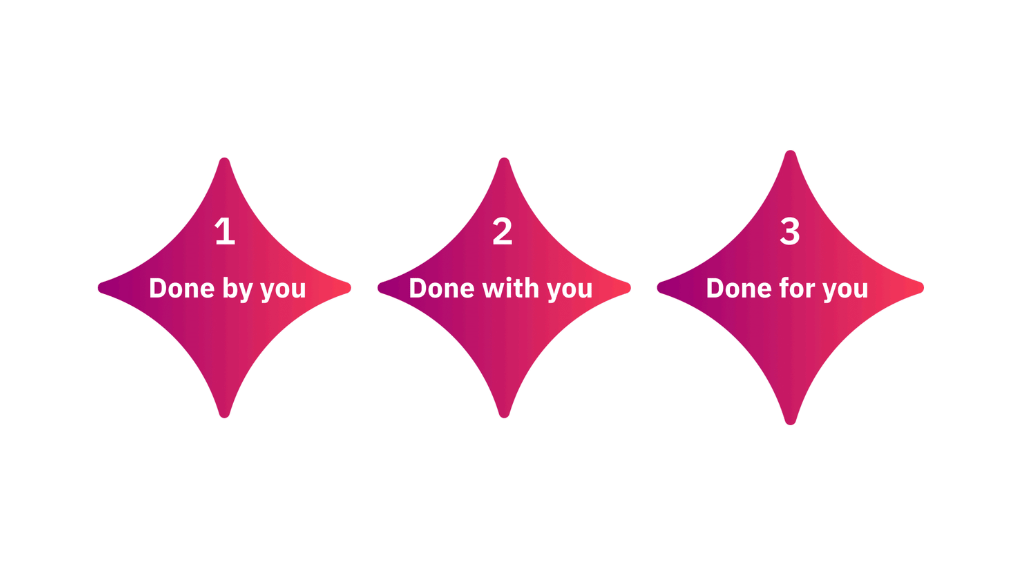
Stage 1: Done by you
This is the generative AI we all know and use. You prompt it: "Write an Instagram post promoting our summer sale." The AI generates options. You review, edit, and maybe ask for hashtags. You might even feed it back into another AI tool to check if it sounds too AI-generated (guilty as charged!).

The key here? You're still doing the work. The AI just helps with specific, isolated tasks. You remain fully in control of the process and post the final output.
Stage 2: Done with you
Here's where things get interesting. You're no longer in the loop – you're on the loop.
Picture this: You set up an AI agent to run a paid campaign. Your high-level goal: "Increase conversions for our new product by 15% this quarter. You have a $20,000 budget. Don't overspend."
The agent then works autonomously toward that goal. It creates ad variations, manages media buys, and adjusts bids in real-time based on performance. You monitor progress and can tweak the strategy, but you're not handling the day-to-day execution.
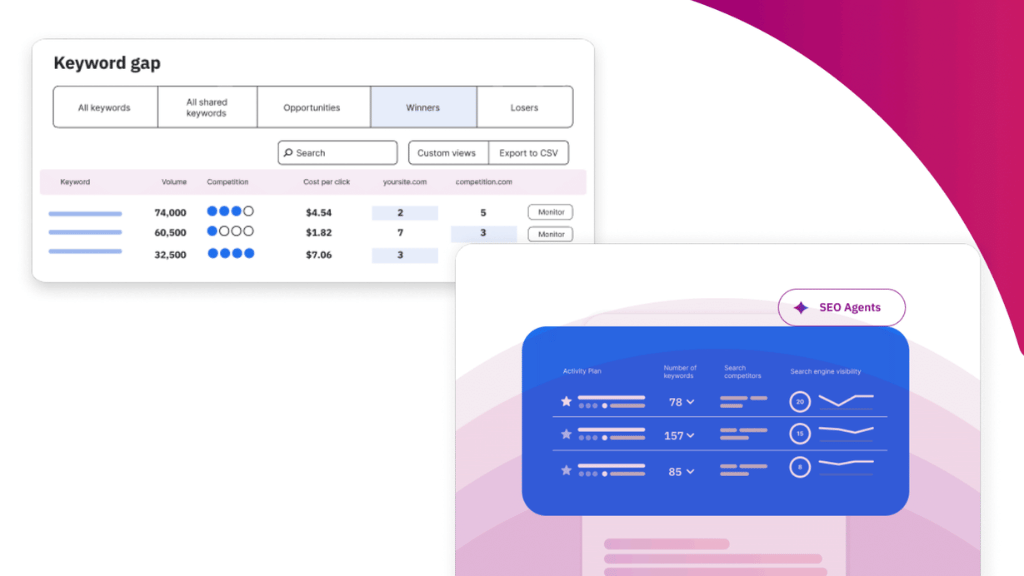
This is like adding team members who never sleep. If you have a 25-person team and each person works with AI agents, you've effectively doubled your capacity.
More importantly, you've shifted from tactical executor to strategic director. Your team focuses on high-level adjustments while AI handles the implementation. This is where forward-thinking marketing teams are heading right now.
Stage 3: Done for you
This is the future state – and it's closer than you might think. Complete autonomous execution, like Rosie the Robot following George Jetson around, cleaning up his sandwich crumbs without being asked. She's learned the pattern, predicts the need, executes the solution.


Become a CMO Insider
Thank you for subscribing
Get exclusive insights, frameworks, and strategies from marketing leaders driving real business impact.
An email has been successfully sent to confirm your subscription.
 Follow us on LinkedIn