.png)




TL;DR
Performance marketing is focused on immediate, measurable results (sales, clicks), and is more of a short-term strategy that uses tactics like PPC (pay-per-click), affiliate marketing, and SEO.
For example: A Facebook ad campaign selling summer dresses with "20% off" that tracks cost per purchase.
On the other hand, brand marketing is more of a long-term strategy and focuses more on company values and identity. It mainly uses storytelling, content, and experiences, though it’s harder to measure its direct impact.
For example: Nike’s inspirational TV commercials don’t push one specific product but focus on the feeling the brand brings to the consumer.
What is performance marketing?
This is the “let’s see the numbers” approach – performance marketing focuses on measurable results, with each campaign tracked and optimized for specific goals, such as revenue and conversions.
Core elements of performance marketing include paid ads and conversion tracking, as well as an immediate impact: if you don’t have results in days, rather than months, you can tweak or remove the campaign.
This strategy is great for driving traffic, generating leads, and increasing short-term revenue but, without a strong brand, it’s hard to have staying power.
Real examples of performance marketing
In addition to the examples you’ll find in our previous article on the matter, here are companies using this tactic successfully:
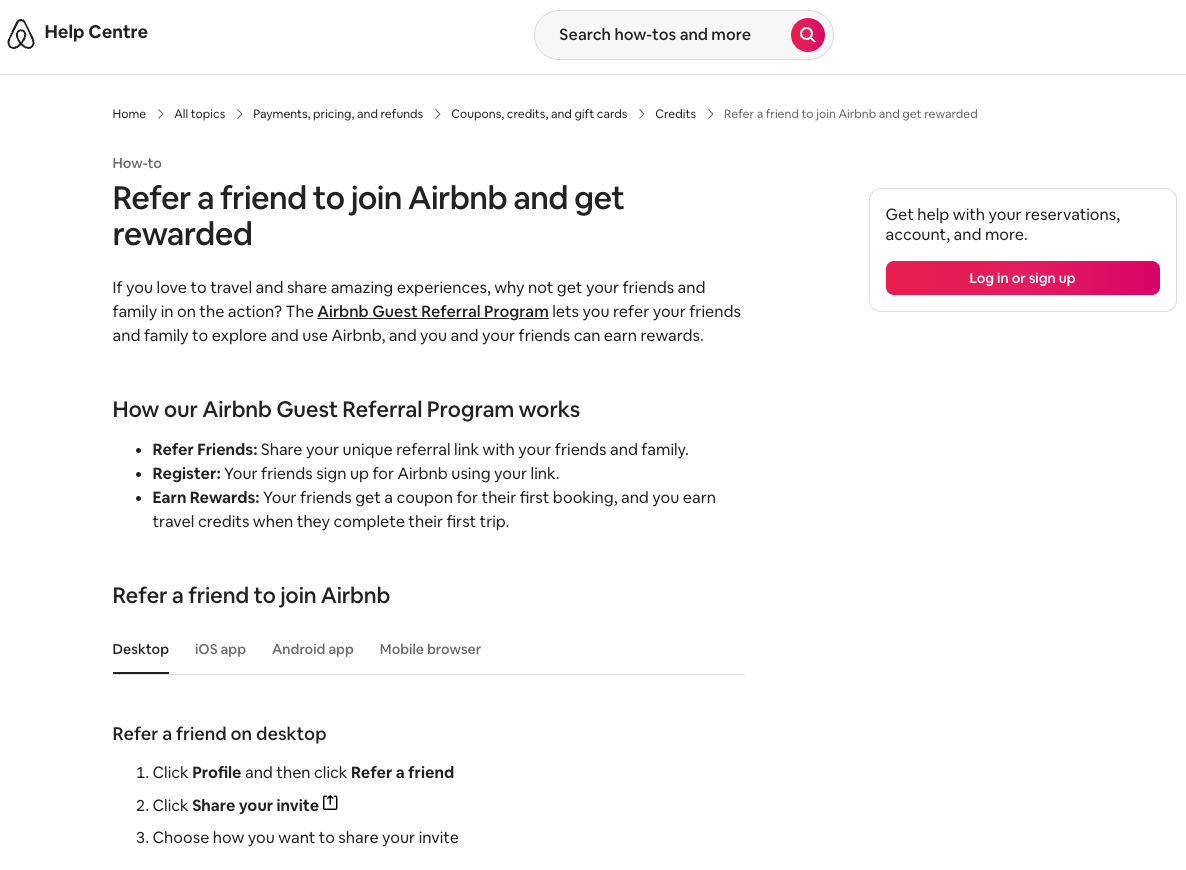
Airbnb
The company implemented a referral program where both the referrer and the referred user receive credits. This worked because Airbnb invested in personalized invites, A/B tested to refine their messaging, and optimized incentives for different user segments.
Results were easy to measure: bookings and user acquisition increased.
Dollar Shave Club
An oldie but goodie. The company’s iconic “Our Blades Are F*ing Great” video, which launched on YouTube in combination with retargeting ads for conversion worked because of the humor – a lot of people who saw it ended up subscribing.
In fact, they got 12,000 signups and 2 million views after 48 hours.
HelloFresh
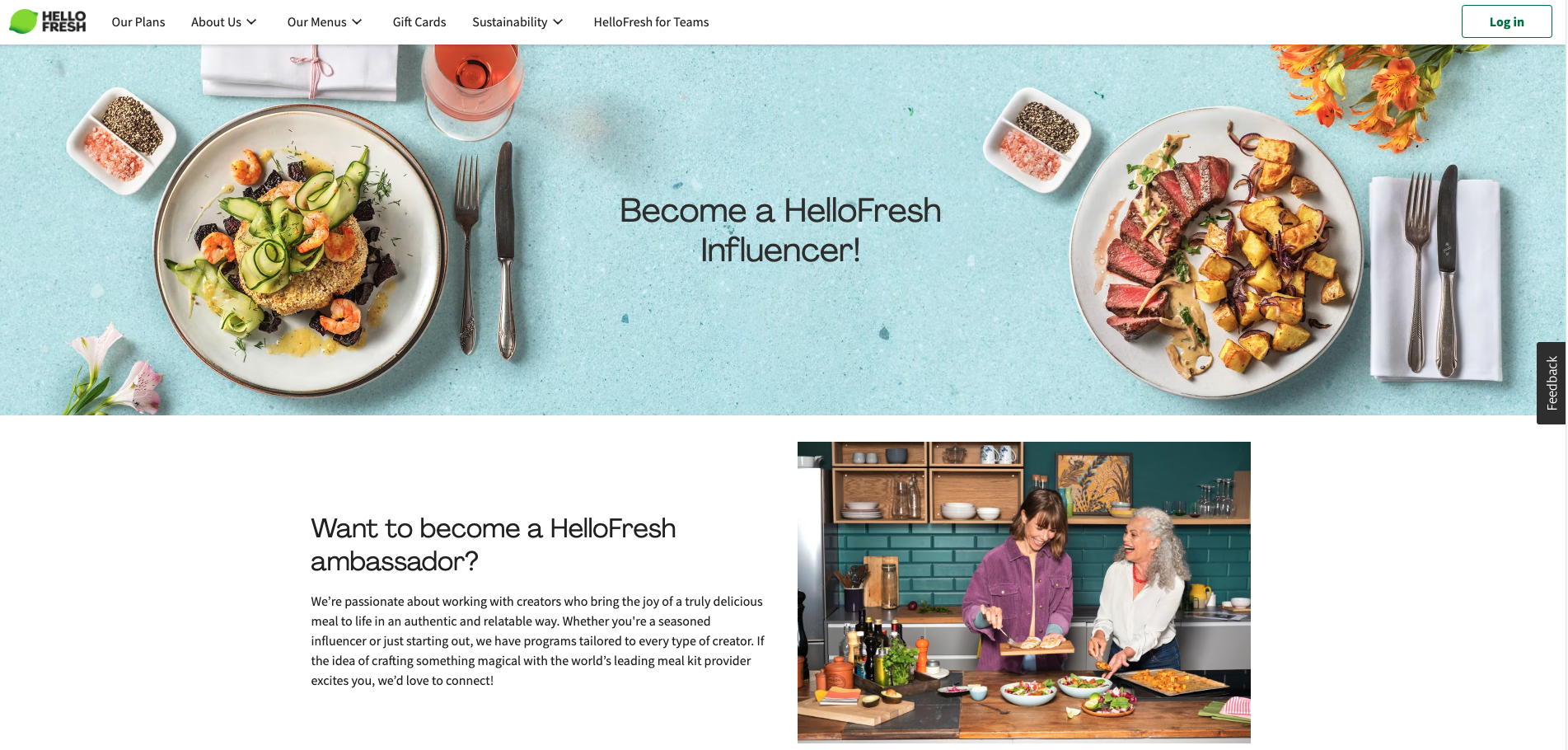
Relying mostly on paid social and influencer marketing, HelloFresh used Instagram, YouTube, and podcast ads to drive subscriptions.
This included discounted trial offers and a great experience from ad to signup. The results? They became one of the biggest (if not the biggest) meal kit companies out there.
TikTok
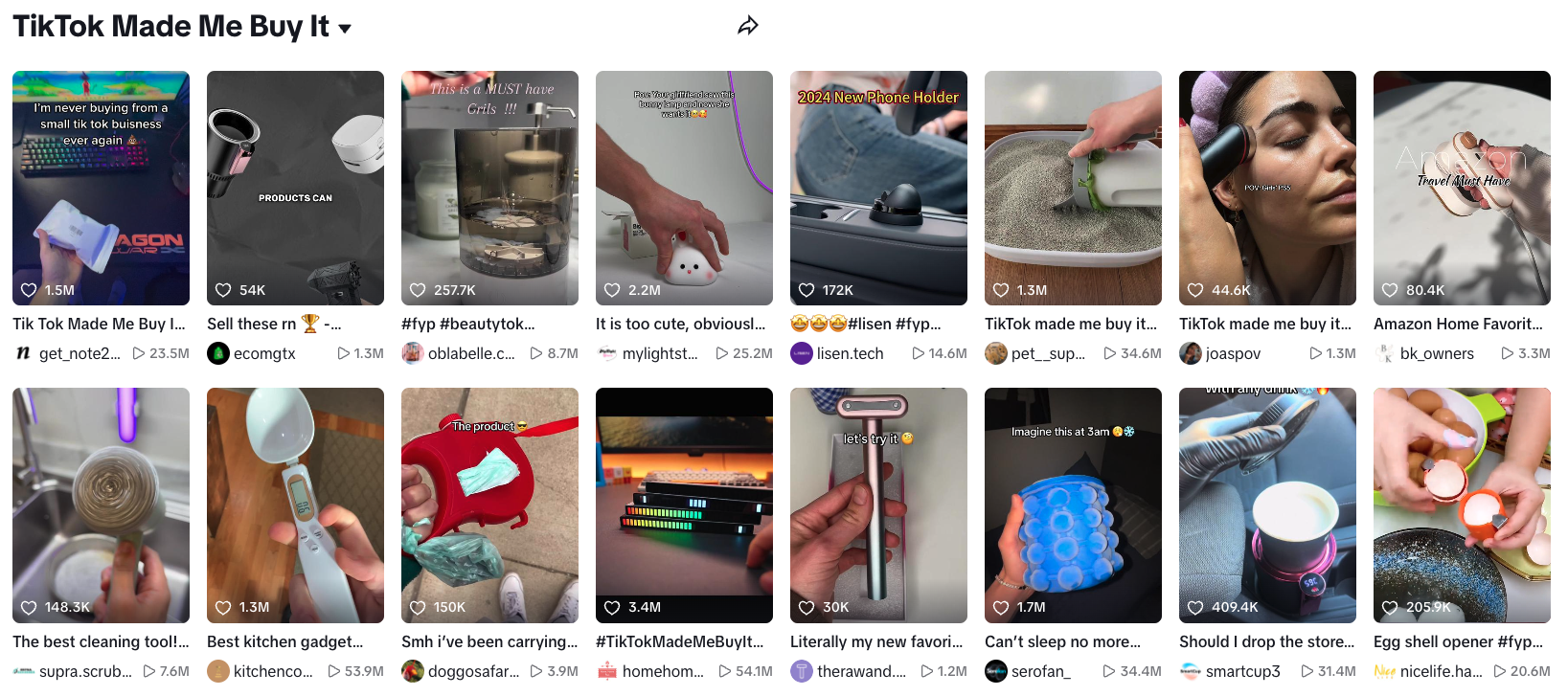
Who hasn’t heard of “TikTok made me buy it” ads? This strategy focuses on performance-driven ads featuring trending products that people are already sharing organically.
This works because it leverages native-style ads, influencer partnerships, and AI-driven ad targeting, and it generates millions in sales for many brands, including CeraVe and e.l.f. Cosmetics.
Netflix
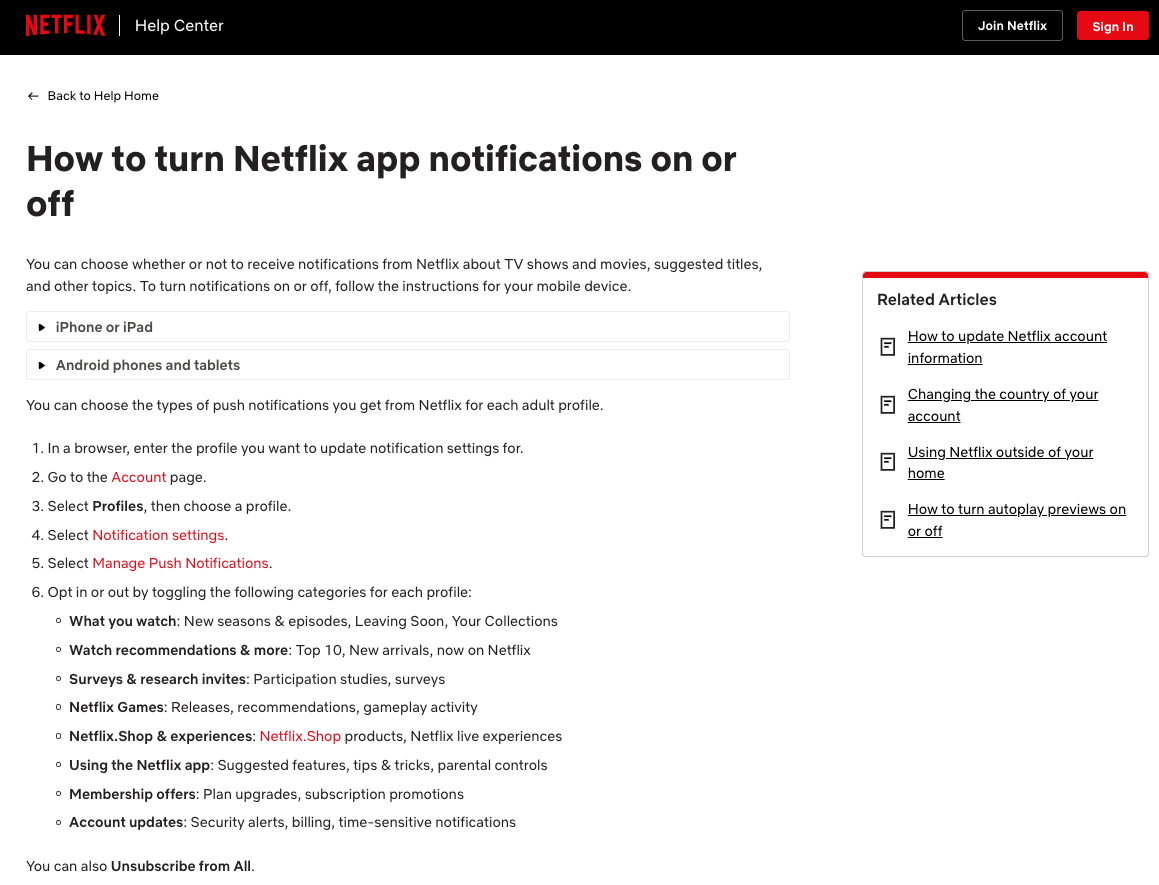
Personalization is once again huge, as Netflix also uses personalized emails, push notifications, and retargeting ads to reduce churn and increase subscriptions.
People engage with their marketing because of the personalization, predictive recommendations, and FOMO-inducing content teasers.
The results include increased engagement, minimized cancellations, and retention of millions of customers.
What is brand marketing?
"Brand is the holistic sum of customers' experiences, composed of visual, tonal, and behavioral brand components, many of which are shaped by interaction design." – Kate Kaplan, Insights Architect at Nielsen Norman Group
On the flip side, brand marketing is a longer game. How is your business perceived? What is its reputation? In essence, this is the process of shaping and promoting your identity and values in a way that creates lasting connections (including emotional) with customers.
Brand marketing is all about ensuring people remember you for all the right reasons.
You’ll want to tell your brand’s narrative and why you exist and make people feel something about your brand – in addition, think logos, colors, and slogans that stick. Customers should want to come back, not just buy once.
While you don’t really have immediate results with brand marketing, using this strategy strengthens your position in the market, meaning you’ll find it easier to sell without having to constantly run ads.
Real examples of brand marketing
Spotify
Spotify’s Wrapped campaign is a huge success. Not only does it focus on personalization by providing users with insights into their music habits (which immediately grabbed people’s attention), but it also became a viral annual event copied by other companies, like YouTube Recap.
Wrapped is a great example of brand marketing as it vastly increased engagement and word-of-mouth for Spotify.
Red Bull
The Stratos Space Jump is as far from performance marketing as you can be.
Austrian skydiver Felix Baumgartner ascended to the stratosphere in a pressurized capsule attached to a huge helium balloon before jumping in a freefall dive that broke many records (including the highest freefall jump and the first person to break the sound barrier in freefall).
Not only did the jump provide valuable data for NASA, but this is also one of the most successful brand marketing campaigns ever. The live-streamed event had over 9.5 million people watching and resulted in plenty of attention for Red Bull.
Old Spice
“The man your man could smell like” was another incredibly popular brand marketing campaign, in which humor and direct engagement on socials (with the company replying to tweets) helped revive an older brand. Within months, sales went up by 125%.
Nike
“Just Do It” is another iconic campaign. It put Nike in people’s minds, even if they weren’t sports stars, and it really showcases the difference between brand marketing and performance marketing.
This strategy doesn't focus on selling shoes – instead, the company sold a mindset of determination, resilience, and self-belief; it was all about overcoming odds and pushing limits, which resonated with a lot of people.
Here’s the first-ever “Just Do It” ad in 1988:
Dove
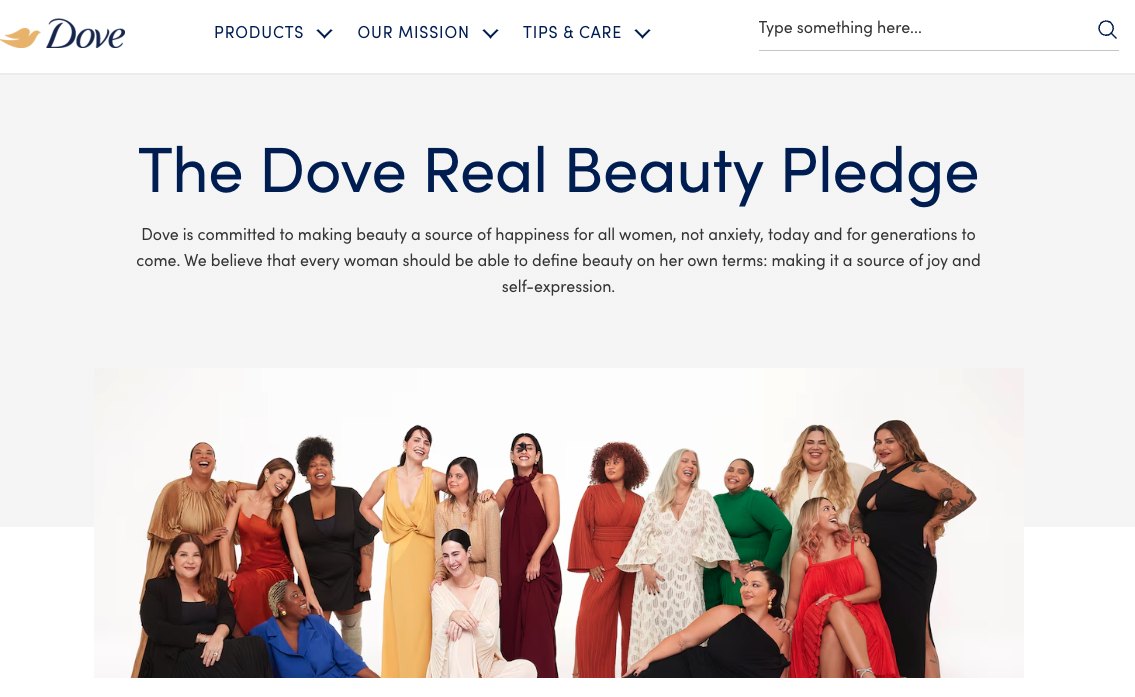
Instead of selling a specific product, Dove’s “Real Beauty” campaigns challenged unrealistic beauty standards and focused on everyday, relatable women.
They increased the trust people had in their brand and boosted their revenue while creating a cultural conversation and avoiding pushing products.
Do you need both brand and performance marketing?
In short, yes. Focusing just on brand marketing without performance marketing can leave you with a great reputation but no sales pipeline.
On the other hand, if you rely only on performance marketing, you might drive results in the short run but, without a solid brand, people might not stick around.
Finding the right mix depends on your business goals, budget, and audience.
What's the right mix? The 60/40 rule explained
Les Binet and Peter Field analyzed almost 1,000 case studies from the IPA Databank, covering campaigns from 1980 to 2016. Their finding: campaigns that put 60% of budget into brand building and 40% into performance activation produced the strongest combined result, both in immediate sales and long-term profit.
The two activities work on different timelines. All brand, no performance, and you get a well-known company with no pipeline. All performance, no brand, and you get short-term sales that get more expensive to generate every year, since you're not building the recognition that makes people convert cheaply later.
60/40 isn't fixed. Binet and Field's later work with the LinkedIn B2B Institute found B2B companies perform better closer to 46% brand and 54% activation, since B2B buying cycles are longer and more research-driven. New entrants trying to build awareness fast sometimes lean 70% brand. Established players with strong recognition can push further into activation.
Use 60/40 as a starting point, not a target to hit exactly. To apply it:
- List every marketing line item for the past quarter (media spend, agency fees, content production, internal hours).
- Tag each one as brand building or activation. Sponsorships, content, PR, and broad-reach media are brand. Paid search, retargeting, and promotions are activation.
- Add up the totals. Most teams find they're closer to 90% activation and 10% brand, which is the opposite of what the research recommends.
- Move 5 to 10 percentage points toward brand each quarter until you're in range for your sector and stage.
When to choose brand marketing vs performance marketing?
If you’re a new startup, you might want to lean more into performance marketing to gain traction quickly, whereas if you're already an established brand, then storytelling and investing in long-term relationships can pay off a lot more.
Of course, there are also industry-specific considerations. If you’re an ecommerce company, your tactics will look quite different from a luxury brand’s.
So, when to pick brand marketing?
- If you’re early-stage or a growing brand that needs to establish credibility before expecting conversions.
- Premium brands where perception impacts willingness to pay (e.g., Apple, Tesla).
- Markets with long buying cycles, like B2B SaaS or real estate, where trust is key.
- When launching in new markets, especially because you need awareness before getting sales.
And when should you focus on performance marketing?
- E-commerce and direct-to-consumer brands that need immediate sales.
- Startups with limited budgets looking for fast revenue to reinvest.
- Product launches and seasonal promotions where urgency is of the utmost importance.
- When testing new markets, since you can quickly validate product-market fit.
- Subscription businesses looking to optimize acquisition cost vs. lifetime value.
Are you a brand or performance marketer? How to identify your blind spots
Most marketers have a discipline they came up through, and it shapes what they trust. A marketer who spent years running paid search tends to distrust anything without a click to measure. A marketer who came from brand or creative tends to distrust anything reduced to a single number.
Signs you're biased toward performance:
- You question the value of any campaign that didn't hit a conversion target, even if it was designed for awareness.
- You struggle to justify brand spend to a CFO because you can't tie it to a number this quarter.
- You call brand work "nice to have" and treat it as the first thing to cut when budgets tighten.
Signs you're biased toward brand:
- You dismiss performance metrics as "vanity numbers" that miss the bigger picture.
- You avoid setting hard targets for campaigns because you don't want creative work judged on numbers.
- You resist A/B testing or attribution work because it feels like it reduces the brand to a formula.
Neither bias is wrong on its own. Both become a problem when they drive the entire budget. A useful check: if you can defend your current split using the research in this article rather than your gut, you're probably allocating well. If you can't, the split is likely reflecting your background more than your customers' buying behavior.
In short: Brand marketing vs. performance marketing
Here’s a comparison table highlighting the key elements of both:
Brand vs. performance marketing across paid, earned, and owned channels
The channels each strategy uses split further into paid, earned, and owned media. Here's how that breaks down.
Performance marketing channels
Brand marketing channels
Performance marketing leans almost entirely on paid and owned. Its earned media tends to be a side effect of a good paid campaign, like Dollar Shave Club's video getting shared organically after the paid push. Brand marketing spreads more evenly across all three, since a strong brand earns coverage and word of mouth without paying for every mention.
Metrics for each strategy
The original comparison table lists CTR, ROAS, and brand recall, but each strategy tracks a wider set of numbers than that.
Performance marketing metrics:
- CPA (cost per acquisition): what you spend to get one customer or lead. Lower is better.
- ROAS (return on ad spend): revenue generated per dollar spent on a campaign.
- CPM (cost per mille): cost per 1,000 impressions, used to compare media buying efficiency across channels.
- CTR (click-through rate): the percentage of people who see an ad and click it.
- CPC (cost per click): what you pay each time someone clicks, common in search and social ads.
Brand marketing metrics:
- Brand equity: the overall value a brand name adds beyond the product itself, usually tracked through surveys measuring awareness, perceived quality, and loyalty.
- NPS (Net Promoter Score): how likely customers are to recommend you, scored from -100 to 100.
- Share of voice: your brand's advertising presence compared to competitors in the same category.
- Brand sentiment: whether mentions of your brand across social and press skew positive, negative, or neutral.
Performance metrics tell you what happened this week. Brand metrics tell you whether people will still choose you next year.
Conclusion
Performance marketing is like a sales rep looking to close deals today, while brand marketing is like building a reputation that makes people want to do business with you over years.
Blending both strategies helps you create a marketing approach that drives results and builds a lasting brand.
Marketing is always changing, with new tech, fierce competition, and customer expectations making it a must for you to stay ahead of the curve.
We’re building a report that’ll make sense of all the changes, help you to adapt and succeed even in uncertain times, and show where marketing is headed next – so, take our survey and give us your insights to help us in this mission.


Become a CMO Insider
Thank you for subscribing
Get exclusive insights, frameworks, and strategies from marketing leaders driving real business impact.
An email has been successfully sent to confirm your subscription.
 Follow us on LinkedIn