


.png)




Let me ask you something. Why do you buy those particular sneakers? Or why do you keep going back to that same store?
If you really think about it, there's something beyond just the product itself that pulls you in. That's brand equity in action. And here's the thing, it's not something you can buy your way into. Trust me, I've seen plenty of companies try.
Brand equity isn't what you think it is
When I first started in marketing, I was fascinated by this concept. What makes people develop such strong feelings about certain brands? After years of working as a CMO, I can tell you that brand equity is one of those things that everyone talks about, but few truly understand.
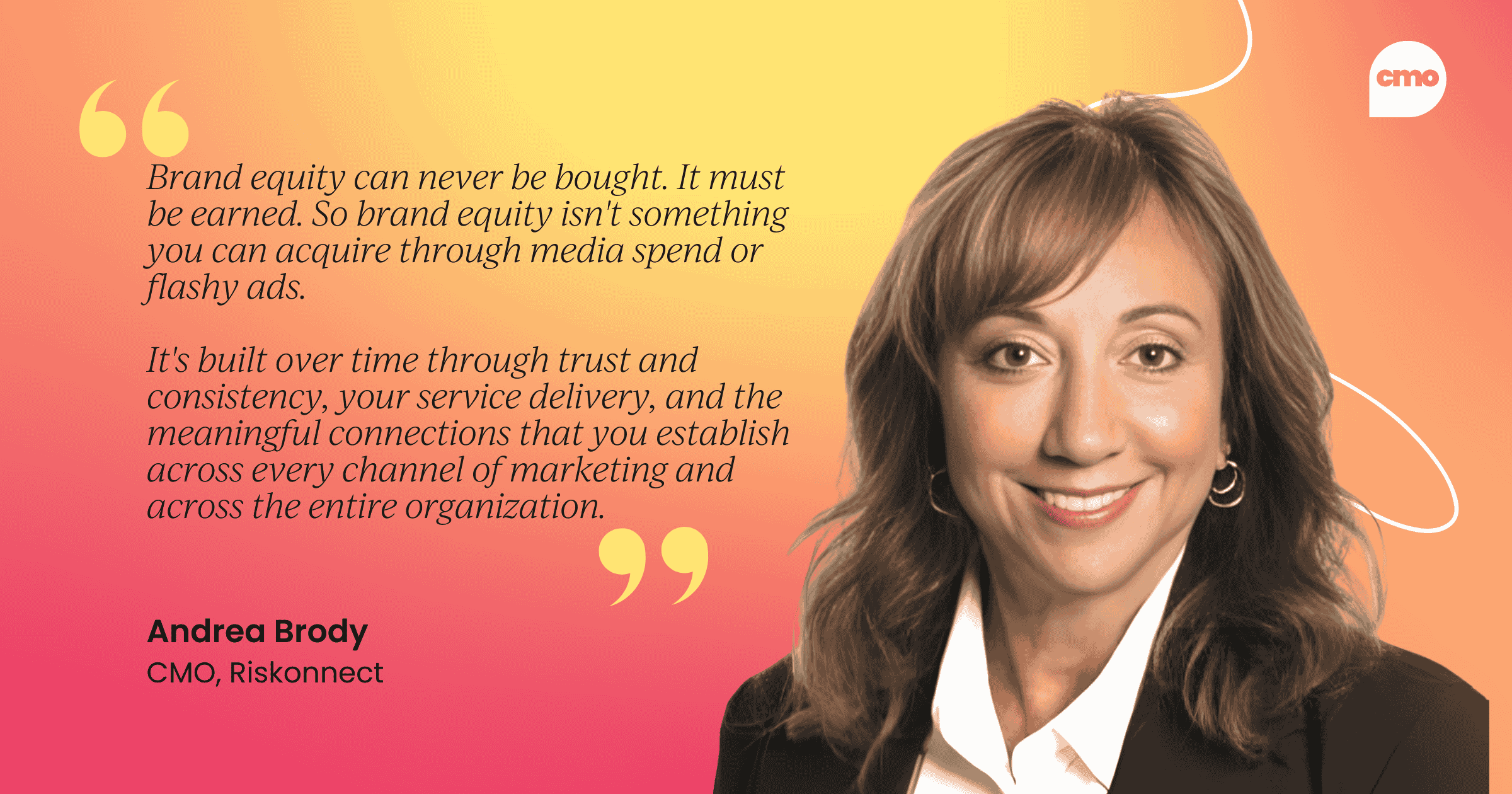
Here's what I've learned: brand equity can never, ever be bought. It must be earned.
You can't acquire it through media spend or flashy ads. It builds slowly, like trust in a relationship, through consistency, service delivery, and those meaningful connections you create across every single touchpoint. Not just in marketing… across your entire organization.
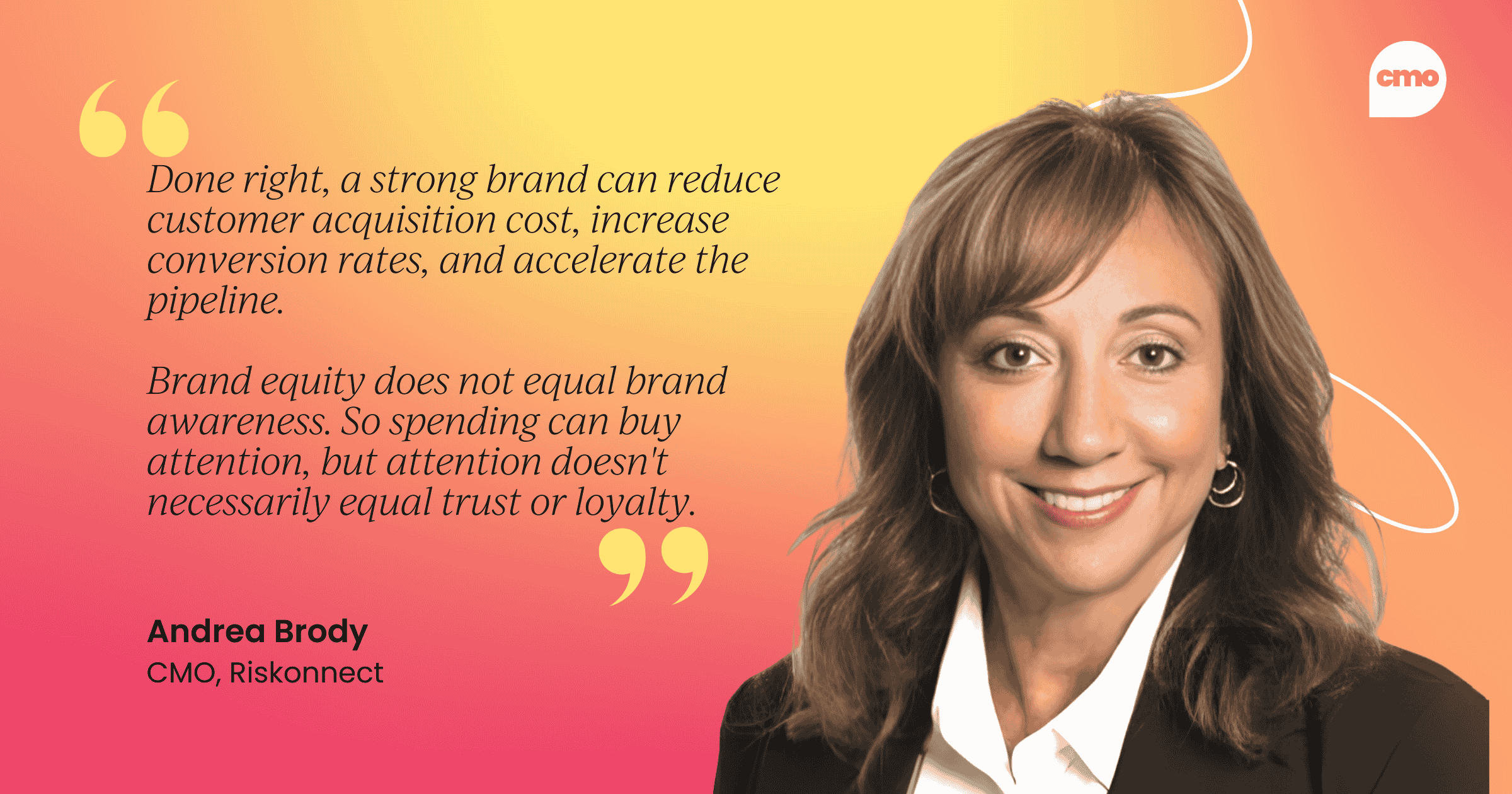
Done right? A strong brand reduces customer acquisition costs, increases conversion rates, and accelerates your pipeline. But here's where most people get it wrong: brand equity does not equal brand awareness.
The quiet moments matter most
Jeff Bezos once said your brand is what people say about you when you're not in the room. That always stuck with me because it captures something essential about brand building.
Think about it. Your brand isn't built during the big product launch or the splashy campaign. It's built in those quiet moments – how you treat customers when things go wrong, how ethical your practices are when nobody's watching, how consistent you stay with your values even when it's inconvenient.
Spending can buy attention, sure. But attention doesn't equal trust or loyalty. I see this confusion all the time. Companies pour millions into awareness campaigns, thinking they're building equity. They're not.
Equity comes from experiences, not exposure. Every touchpoint matters, from product quality to customer service to post-sales support. They all contribute to how your brand is perceived.
Why brand matters more than you realize
Let me share some numbers that might surprise you. About 95% of future revenue in B2B comes from buyers who aren't even actively in the market today. They're not shopping. They're not comparing. They're just... out there, forming opinions.
Even more striking is that around 70% of the buying process happens before prospects ever engage with your marketing channels or talk to a salesperson. They're already forming opinions through their networks, analyst reports, web searches. By the time they reach out, they've practically made up their minds.
This is why brand memory becomes so critical. When those future buyers finally enter the market, you need to already exist in their minds as a trusted option.
McKinsey found that strong B2B brands can earn around 20% higher margins. Why? Because trust is a growth lever. Buyers lean toward established brands to reduce risk.
About 95% of buyers actually avoid engaging with unfamiliar brands, even when those newer players might offer better products, better service, or better prices.
Remember the old saying "nobody ever got fired for hiring IBM"? That's brand equity at work. IBM had built such a reputation that choosing them felt safe. If something went wrong, buyers trusted that IBM would have their back.
The brand versus demand balancing act
So how do you balance building long-term brand equity with generating short-term revenue? This is the question that keeps CMOs up at night.
Research over decades has shown that peak effectiveness typically sits around 60% brand building and 40% demand generation. But (and this is important) there are caveats.
Are you a new entrant or mature in your market? What size is your organization? Where are you in your growth trajectory? These factors matter.
For early-stage companies or those entering new categories, I recommend starting with 70% demand and 30% brand. You haven't had time to establish credibility yet. You need to reach as many people as possible and get them to engage.
Once they engage, that's where brand building begins. How was their first interaction with your BDRs? Did they find what they needed on your website? How did the sales conversation go? What about the contracting process?
You might think marketing doesn't need to worry about all these touchpoints. We do. Marketing is a strategic function because we have to care about the end-to-end experience. We don't control it all, but we have to understand it. If there's a bad customer experience somewhere in that journey, it will impact your pipeline.
My experience at Riskonnect
When I joined Riskonnect, we faced an interesting challenge. We were well-known in one part of the risk management world, but entering another segment as complete newcomers.
In our established market, I could lean on brand strength. I didn't need heavy demand generation, just thought leadership to remind people we were still the leader. But in the new market, we had to flip the script. We needed to get customers in the door first, then leverage their experiences to build our story.
This taught me that the split isn't rigid. If you're a category leader, you might go 60% brand and 40% demand. If you have multiple product lines at different stages, you adjust accordingly.
Building brand through strategic tactics
So what does brand building actually look like in practice? It's thought leadership, research reports, analyst coverage, podcasts, and panel discussions. But here's a strategy I've found particularly effective: leveraging third-party experts.
At Riskonnect, we run a webinar series called Risk at Work. We only feature external speakers – university professors, industry experts, analysts. They're not endorsing us directly, but by participating in our series, they promote it to their networks. We get our name out there while aligning with credible voices.
It's an easy way to start if you're struggling with thought leadership or third-party validation. You're borrowing their credibility while building your own.
Another key element is your category narrative. You need an anchor. Something simple and repeatable. For us, it's "risk under one roof." That can mean different things to different prospects: one vendor for multiple products, integrated solutions, unified data. Whatever matters to them, I can tell that story from our anchor point.
The power of customer advocacy
Nothing – and I mean nothing – beats customer advocacy for building brand. Nobody believes the vendor. That's just reality.
The two things I focus on most as CMO are building a strong customer advocacy program and aligning our thought leadership with third-party experts. Case studies, video testimonials, customer stories… these are your most powerful brand-building tools.
When prospects see others like them succeeding with your solution, that builds trust faster than any marketing message ever could.
Demand generation in the modern landscape
On the demand side, we're talking about account-based marketing, intent data, targeted campaigns, email outreach, and sales-aligned plays. This last one is always the toughest.
You need alignment on how you'll handle lead flow and outreach. But don't just hand leads to sales and walk away. Find ways to accelerate late-stage deals. Nurture prospects whether they're in your funnel or not quite there yet.
Website optimization, conversion rate optimization, pipeline acceleration programs… these all play a role in demand generation. The key is making sure they align with your brand narrative.
The AI question
Here's an interesting debate we're having, especially with AI dominating every conversation. I look at our competitors and they're all "AI-first," "AI in risk," "AI everything."
For me, AI is an enabling technology. It's a tool to help risk professionals do their jobs better. My customers aren't searching for "AI risk management software." They want to know we're using modern technology, but it's not their primary driver.
So I don't lead with AI. Technology constantly changes. My narrative stays focused on customer challenges and problems. I need to get into the buyer's mind, and right now, they're thinking about risk management, not artificial intelligence.
Creating an operating system for success
If you want to master this balance, you need what I call a CMO operating system. Start by identifying your benchmarks (current share of voice, CAC payback, win rates). However your enterprise measures success, make those your north star metrics.
Then rebalance your budget based on where you are. New entrant? Growth phase? Mature leader? Adjust your brand/demand split accordingly. Remember, if you have multiple product lines, they might each need different approaches.
From a creative standpoint, keep it fresh. With AI and SEO evolving rapidly, authenticity matters more than ever. You can leverage ChatGPT or other tools, but if you just copy and paste, Google will catch it. Your content won't feel authentic, and your work becomes null and void.
Measuring what matters
You need both brand metrics and demand metrics on your dashboard. For brand, I track share of search, brand recall from awareness surveys, share of voice, and media coverage. I also look at simple things like LinkedIn followers and direct website visits.
When someone comes straight to our site and requests a demo without searching first? That's brand equity at work. They already knew us, already trusted us enough to reach out directly.
On the demand side, it's pipeline coverage, customer acquisition costs, MQLs to SQLs, and net retention. Weigh these based on your strategy and stage.
Enabling your sales team
Here's something crucial: a balanced brand and demand strategy empowers your sales team to close deals faster. They can focus on value-based selling rather than always cutting prices.
Strong brands earn higher prices because of repeatability and trust. That's it. Our goal is to get prospects to trust us.
If your organization sees marketing as just pipeline generation, you're missing the bigger picture. We own brand messaging, and it impacts everything from first touch to implementation. When we had a product outage, marketing was key in crafting the right message to maintain trust.
Better deal velocity, higher win rates, more inbound qualified interest – these all flow from strong brand equity. Your BDRs and SDRs can qualify better leads when prospects already know and trust you.
Final thoughts
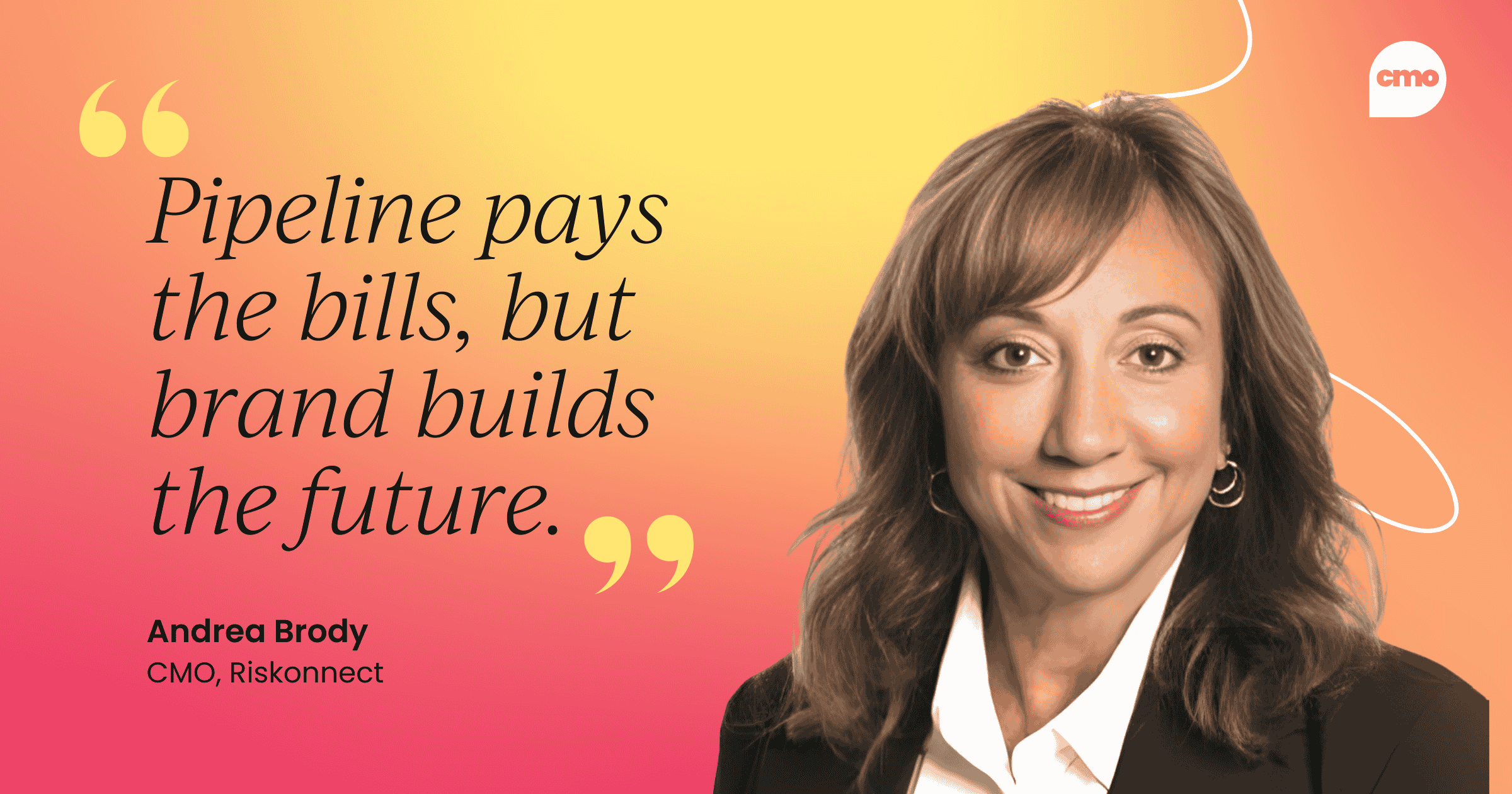
I'll leave you with this mantra: pipeline pays the bills, but brand builds the future.
You can't do one without the other. It's not brand or demand, it's brand and demand, working together in the right balance for your specific situation.
Building brand equity takes time. It requires consistency across every touchpoint, authentic engagement with your market, and genuine care for customer outcomes. But when you get it right, when you find that balance, you create something money can't buy: trust.
And in B2B marketing, trust is everything. It reduces acquisition costs, increases margins, accelerates deals, and builds a moat around your business that competitors can't cross with bigger budgets or flashier campaigns.
So ask yourself: what's your brand equity worth? More importantly, what are you doing today to build it for tomorrow?
Because while pipeline pays today's bills, the brand you build now determines whether you'll still be here to pay them in the future.


Become a CMO Insider
Thank you for subscribing
Get exclusive insights, frameworks, and strategies from marketing leaders driving real business impact.
An email has been successfully sent to confirm your subscription.
 Follow us on LinkedIn